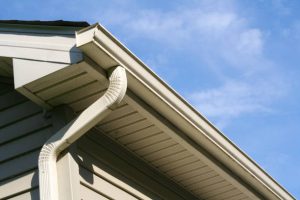
The roof is one of the most important features of your home, but it’s often overlooked when it comes to curb appeal. A well-maintained roof doesn’t just protect your home; it also plays a key role in how your house looks from the outside. Whether you’re looking to sell, or simply want to give your home a fresh, updated appearance, a roof renovation can make a dramatic difference.
The good news is that roof renovations don’t have to be expensive. With the right approach, you can transform the look of your roof with budget-friendly ideas that boost both the aesthetic appeal and value of your home. In this blog, we’ll explore 10 affordable renovation tips that will help you improve your roof and increase your home’s curb appeal without breaking the bank. From simple fixes to more advanced upgrades, these ideas will ensure your roof looks its best for years to come.
Inspect and Clean Your Roof Regularly
One of the most effective and budget-friendly ways to maintain your roof and enhance its curb appeal is through regular inspections and cleaning. Often, homeowners overlook the importance of roof maintenance, but the condition of your roof significantly affects both the appearance and functionality of your home. By staying on top of roof inspections and cleaning, you can catch potential issues early before they lead to more expensive repairs or replacements.
Start by conducting a visual inspection from the ground. Look for any visible signs of damage, such as missing or cracked shingles, damaged tiles, or obvious wear around the edges of the roof. You should also check the eaves and gutters for signs of sagging or debris buildup. If you notice any of these issues, it’s important to address them quickly. If you’re not comfortable getting on a ladder to inspect your roof closely, consider hiring a professional to assess its condition, especially if the roof is older or if you’ve experienced severe weather.
Cleaning is equally important when it comes to roof maintenance. Over time, debris such as leaves, twigs, and dirt can accumulate on your roof. This debris can clog gutters, prevent proper drainage, and create environments conducive to moss and algae growth. Moss and algae are particularly problematic because they can trap moisture on the surface of your roof, leading to rot or even structural damage if left untreated. By regularly removing debris and moss, you reduce the chances of these issues causing long-term damage to your roof.
The gutters are another essential part of your roof that needs regular attention. Clogged gutters can cause water to back up, potentially damaging both the gutters themselves and the roof. When water cannot drain properly, it can spill over the edges and cause water damage to your home’s exterior or even its interior. By cleaning out the gutters at least twice a year, you ensure that rainwater flows freely, preventing costly damage to both your roof and foundation.
In addition to gutters, check the condition of the roof vents and chimneys. These areas are often neglected, but ensuring that they are clear of debris is essential for proper ventilation and preventing any potential blockages. Good airflow in your roof helps regulate temperature and moisture levels, protecting your home’s structure.
By making roof inspections and cleaning a part of your regular home maintenance routine, you not only protect your investment but also keep your roof looking fresh and clean, significantly improving your home’s curb appeal. Routine maintenance is one of the simplest and most affordable ways to extend the life of your roof while avoiding costly repairs down the road.
Replacing Damaged Shingles or Tiles
One of the most noticeable aspects of a roof is the condition of the shingles or tiles. When these elements become damaged or worn out, they can significantly affect the appearance of your home, not to mention the integrity of your roof. Replacing damaged shingles or tiles is one of the most straightforward and cost-effective ways to improve the look of your roof and protect your home from potential leaks and other issues. Whether you’re tackling a small area or addressing widespread damage, this repair is within reach for most homeowners.
The first step in replacing damaged shingles or tiles is to identify the areas that need attention. After a visual inspection, look for any shingles that are cracked, curled, or missing. Sometimes, storm damage can cause shingles to lift, exposing the underlying structure to the elements. Even if you only notice a few damaged shingles, it’s important to address the problem right away before it leads to larger issues, such as water infiltration or mold growth.
Once you’ve identified the problem areas, you can begin the replacement process. Start by carefully removing the damaged shingles or tiles. It’s essential to use the correct tools, such as a roofing shovel or a flat pry bar, to avoid damaging the surrounding shingles. Take care to remove the damaged pieces without causing any additional harm to the underlying material or flashing. If the shingles are nailed down, you’ll need to remove the nails carefully so that the new shingles can be secured properly.
After removing the damaged shingles or tiles, you can install the new ones. When selecting replacement shingles, it’s crucial to choose materials that match the existing roofing in both color and texture. If your roof is made of asphalt shingles, this will be relatively easy since asphalt shingles are widely available and come in a variety of styles. If your roof uses a more specialized material, like clay or slate tiles, you may need to source the exact match from the original manufacturer or a specialized supplier.
Securing the new shingles is the next step. For most roofing materials, you’ll need to nail down each shingle and ensure it overlaps with the surrounding ones. This will help prevent wind uplift and ensure the roof remains watertight. Be sure to use high-quality roofing nails or fasteners designed for the specific type of material you are working with.
Replacing damaged shingles or tiles not only improves the appearance of your roof but also helps protect your home from water damage. An effective, well-maintained roof is key to ensuring your home remains safe and dry. This task is a great way to tackle roof repairs without incurring the high cost of hiring professionals. If you’re not comfortable doing the work yourself, however, don’t hesitate to call in an experienced roofer to get the job done right.
Roof Coating: A Cost-Effective Way to Extend Roof Life
A roof coating is an affordable and effective way to extend the life of your roof while improving its energy efficiency and overall appearance. Whether you have a flat roof or a sloped one, adding a roof coating can provide significant benefits that are often overlooked. Roof coatings are designed to add a protective layer that helps seal minor cracks, improve insulation, and prevent damage caused by the elements.
Roof coatings work by creating a protective barrier between your roof and the environment. Over time, roofs can be damaged by exposure to UV rays, rain, snow, and extreme temperatures. A quality roof coating can help protect your roof from these elements and prevent premature wear and tear. This is especially important for flat roofs, which tend to have a higher chance of water pooling, leading to leaks and deterioration. By applying a roof coating, you can ensure that your roof remains strong and effective for longer.
One of the key benefits of roof coating is its ability to improve energy efficiency. A good roof coating can reflect sunlight, keeping your home cooler in the summer months and reducing the need for air conditioning. This can lead to significant savings on your energy bills. Coatings designed for energy efficiency are typically reflective, meaning they deflect UV rays and prevent heat from being absorbed into the roof structure. This not only extends the life of your roof but also reduces the strain on your cooling systems.
In addition to energy savings, roof coatings can help prevent the development of moss, algae, and mold. These issues can cause significant damage over time, especially in humid climates. Roof coatings with antimicrobial properties can help prevent the growth of these organisms, keeping your roof clean and safe from deterioration. This is particularly important if your roof is already showing signs of discoloration due to mold or algae buildup.
Applying a roof coating is a cost-effective solution for homeowners looking to enhance the lifespan of their roof without investing in a full replacement. Compared to the cost of replacing an entire roof, applying a coating is much more affordable, and it can be done relatively quickly. If you are comfortable with DIY projects, some roof coatings can be applied yourself, further saving on labor costs.
Overall, roof coatings are an excellent investment that can help protect your home, save you money, and improve the energy efficiency of your entire home. Whether you’re looking to extend the life of an older roof or improve the performance of a newer one, a high-quality roof coating is an effective solution to consider.
Adding a Stylish Roof Ventilation System
Roof ventilation is a critical component of maintaining the integrity and longevity of your roof, especially after a renovation. Many homeowners overlook the importance of proper ventilation, but it plays a significant role in preventing damage caused by excess heat and moisture buildup. Without adequate ventilation, the temperature inside your attic can rise significantly, causing your roof materials to deteriorate faster and leading to potential problems such as mold, mildew, and premature aging of roofing components.
Proper ventilation helps maintain a balanced airflow in your attic by allowing warm, moist air to escape and replacing it with cooler, drier air. This exchange prevents the buildup of heat, which can cause your roofing materials to expand and contract, ultimately leading to cracks, leaks, and warping. Additionally, it helps regulate the temperature in your attic, preventing heat from reaching the lower levels of your home. This can reduce the load on your air conditioning system, helping you save on energy bills during the warmer months.
One of the key benefits of installing a roof ventilation system is its ability to prevent ice dams in the winter. When warm air accumulates in the attic, it can cause snow on the roof to melt. This melted snow then refreezes at the eaves, creating ice dams that can prevent proper drainage and cause water to seep into your home, damaging the roof and walls. By maintaining proper ventilation, you can prevent this issue and ensure that your home remains dry and safe during the colder months.
In addition to protecting your roof from heat and moisture damage, a well-designed roof ventilation system can also enhance the overall appearance and functionality of your home. There are various types of ventilation systems available, including ridge vents, soffit vents, and gable vents. Ridge vents, which run along the peak of your roof, are one of the most effective options, as they provide continuous airflow across the entire roof. Soffit vents, installed along the eaves, allow cooler air to enter, working in conjunction with ridge vents to maintain proper air circulation. Gable vents are another option, particularly suitable for homes with steep roof pitches.
Installing a roof ventilation system can be a cost-effective way to improve your home’s energy efficiency and protect your investment in the long term. Proper ventilation not only prolongs the life of your roof but also ensures that your home remains comfortable and free from moisture-related issues. Whether you choose to install the system yourself or hire a professional, adding ventilation to your roof is an essential step toward maintaining a healthy and well-functioning home.
Conclusion
Renovating your roof doesn’t have to be an expensive or overwhelming project. With the right approach and a few smart, budget-friendly ideas, you can significantly improve your roof’s appearance and functionality while also boosting your home’s curb appeal. Regular maintenance, such as inspections and cleaning, is crucial for extending the life of your roof, while simple upgrades like replacing damaged shingles, applying roof coatings, or adding a roof ventilation system can have a big impact on both the look and performance of your roof.
Whether you’re planning to sell your home or simply want to enjoy a more attractive and energy-efficient space, these renovations can provide great value at a fraction of the cost of a full roof replacement.