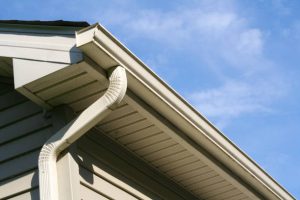
Restoring a historic home is a delicate balance between preserving the past and embracing the future. When it comes to the roof, this challenge becomes even more intricate.
For homeowners looking to maintain the architectural integrity of their property while upgrading its functionality, roof restoration offers an opportunity to blend tradition with modern innovations. This case study dives into the journey of restoring a historic home’s roof, where careful attention to detail was key in retaining its historical charm while implementing necessary upgrades.
From the selection of materials that honored the original design to the introduction of new technologies that enhance durability and energy efficiency, this story highlights both the challenges and rewards of such a project.
The Importance of Preserving Historical Integrity in Roof Restoration
When it comes to restoring a historic home, one of the most critical aspects is ensuring that the historical integrity of the roof is preserved. A roof is not just a functional part of a building; it is an integral component of the overall architectural character and design that defines a home’s history and charm. For homeowners seeking to restore a historic roof, striking the right balance between modern upgrades and the preservation of historical features is crucial.
Preserving the roof’s original design involves more than just keeping the same shape and structure. It requires using materials and techniques that reflect the home’s time period, such as clay tiles, slate, or wood shakes, which were commonly used in certain historical periods. The goal is to respect the craftsmanship of the original builders and maintain the aesthetic value that contributes to the home’s character. These materials, while beautiful and timeless, can also be challenging to source and work with, especially if they are no longer in production. For example, some historic homes may feature rare materials that are not readily available in the modern market, leading homeowners to seek authentic replacements or skilled artisans who can replicate the original materials.
However, simply maintaining the original design is not enough. It is also essential to address modern-day needs such as energy efficiency, weatherproofing, and durability. Historic homes were built to withstand the conditions of their time, but today’s homes need better insulation and ventilation to manage modern weather patterns and energy demands. Homeowners must take a careful approach to integrate these modern upgrades without altering the original appearance of the roof. For instance, energy-efficient underlayment materials or specialized ventilation systems may be added discreetly to improve the home’s performance without compromising its exterior look.
In essence, the importance of preserving historical integrity lies in honoring the past while ensuring the roof can endure for generations to come. This delicate balance ensures that the home retains its original charm, while also benefiting from modern technologies that keep it functional and sustainable for today’s world.
Selecting the Right Materials for a Historic Roof Restoration
One of the most important decisions in restoring a historic roof is selecting the right materials that both preserve the home’s original charm and meet modern building standards. This task presents a unique challenge, as many historic materials are no longer available, or modern alternatives may not provide the same aesthetic or durability. The process involves understanding the original materials used and finding suitable replacements or options that blend seamlessly with the home’s historical design.
Authentic Material Selection:
Historic homes often feature roofing materials that were locally sourced or custom-made, such as:
- Slate tiles: Common in 19th-century homes for their durability and natural beauty.
- Wood shakes or shingles: Frequently used in Victorian-era homes for their rustic and textured appearance.
- Clay or terracotta tiles: Popular in Mediterranean-style homes for their unique look and ability to withstand the elements.
When restoring a historic roof, sourcing these materials can be challenging. Some materials, like slate or clay tiles, may no longer be in production, so homeowners must either find vintage stock or work with skilled artisans who specialize in replicating these materials.
Modern Alternatives:
If authentic materials are no longer available or are too costly, there are modern materials that can mimic the appearance of the original while providing enhanced durability and efficiency. Some alternatives include:
- Synthetic slate tiles: These mimic the appearance of natural slate but are lighter, more durable, and less expensive.
- Composite roofing materials: Made from recycled content, these can replicate the look of wood or clay tiles while offering better weather resistance and fireproofing.
- Metal roofing: A durable, long-lasting option that can be made to resemble traditional materials like shingles or shakes.
Sustainability Considerations:
As homeowners become more eco-conscious, sustainability plays a crucial role in the material selection process. Many modern alternatives are designed with eco-friendly materials, such as recycled content or energy-efficient coatings, that reduce the home’s environmental footprint. By opting for sustainable options, homeowners can preserve the historic beauty of their roof while contributing to energy savings and reducing waste.
Selecting the right materials for a historic roof restoration requires careful consideration of both aesthetic and functional needs. By blending historical accuracy with modern advancements, homeowners can create a roof that enhances their home’s value while preserving its legacy for generations.
Upgrading for Modern Efficiency Without Compromising Aesthetics
One of the most significant challenges in historic roof restoration is upgrading for modern efficiency without altering the home’s aesthetic appeal. Older roofs, while charming and architecturally rich, often lack the insulation, ventilation, and weatherproofing required to meet today’s standards of comfort and energy efficiency. Balancing these modern needs with the desire to maintain the home’s original beauty is key to a successful restoration.
Improved Insulation and Energy Efficiency:
Modern homes require roofs that not only protect from the elements but also provide energy savings through better insulation. Historic roofs, built without today’s advanced insulation materials, can lead to significant heat loss in the winter and cooling inefficiencies in the summer. During a roof restoration, upgrading insulation is often necessary. To maintain the aesthetic, homeowners may choose to add insulation beneath the roofing materials, using options that won’t disrupt the exterior appearance, such as:
- Foam insulation: Installed under the roof deck to create an airtight seal without altering the external look.
- Reflective coatings: Applied to the roofing material to reduce heat absorption and improve the home’s overall energy efficiency.
Ventilation Improvements:
Proper ventilation is crucial for extending the life of a roof and preventing common issues like mold growth and ice damming. Historic roofs may lack sufficient ventilation, leading to moisture buildup and structural damage. Adding modern ventilation systems discreetly during restoration is essential for maintaining both the roof’s function and appearance. Solutions may include:
- Ridge vents and soffit vents: Placed in areas that won’t disrupt the home’s exterior, these vents allow for proper airflow, reducing moisture buildup and improving the roof’s longevity.
- Attic ventilation: Installing attic fans or passive vents can enhance airflow without changing the roofline’s character.
Weatherproofing for Modern Protection:
Weather-resistant upgrades are another important aspect of modernizing a historic roof. Today’s homes must withstand more extreme weather, including stronger storms, heavy rainfall, and temperature fluctuations. Adding features like underlayment membranes or advanced water barriers beneath the original roofing material can provide additional protection from leaks and water damage without compromising the historic look.
By focusing on these essential upgrades, homeowners can improve their roof’s performance while preserving the home’s character. Modern energy efficiency, ventilation, and weatherproofing can be seamlessly integrated into a historic restoration, ensuring that the home remains beautiful, functional, and sustainable for years to come.
The Role of Skilled Craftsmen in Historic Roof Restoration
Restoring a historic roof requires more than just choosing the right materials and making modern upgradesit demands a high level of expertise from skilled craftsmen who specialize in both traditional techniques and modern construction methods. These craftsmen play a crucial role in ensuring the roof restoration process respects the home’s history while incorporating the necessary improvements. The delicate work they perform ensures that the restoration not only enhances the roof’s functionality but also retains its architectural beauty.
Expert Knowledge of Historical Techniques:
Craftsmen who specialize in historic roof restoration are well-versed in the materials, techniques, and architectural styles of different time periods. Their deep understanding of traditional building methods allows them to replicate or repair original elements accurately. Whether it’s the intricate pattern of slate tiles or the detailed woodwork on a shake roof, skilled craftsmen are able to restore the original design to its former glory. Their ability to preserve authenticity while blending in modern upgrades is key to a successful restoration project.
Precision in Material Handling:
Many historic roofing materials are delicate and require careful handling. For example, slate tiles, clay tiles, and wooden shakes can break easily if not handled correctly. Craftsmen specializing in these materials can source, cut, and install them with precision, ensuring the roof maintains its historical value. Additionally, these professionals are often skilled at matching new materials to the old ones, ensuring seamless integration that enhances the home’s aesthetic without standing out.
Integrating Modern Technologies with Traditional Methods:
While historic roof restoration is rooted in traditional craftsmanship, many homes require modern updates to meet current building standards. Skilled craftsmen are adept at incorporating energy-efficient and weather-resistant technologies into the restoration process without compromising the home’s character. Some of the critical tasks they handle include:
- Installing modern insulation and ventilation systems discreetly, ensuring they don’t disrupt the original appearance.
- Incorporating fire-resistant materials or modern underlayments that offer enhanced protection while keeping the historical look intact.
- Ensuring proper alignment and integration of new materials with older ones to prevent future structural issues.
Attention to Detail and Custom Solutions:
Historic homes often come with unique architectural features and challenges, requiring customized solutions. Craftsmen must approach each project with a creative and problem-solving mindset, carefully considering how to integrate modern materials, technologies, and solutions in a way that complements the original design. Their ability to think critically and execute custom repairs is invaluable, as each historic roof restoration is unique and requires a tailored approach.
The role of skilled craftsmen in historic roof restoration goes beyond simply making repairsit is about preserving history while ensuring the home’s roof can stand the test of time. With their expertise, homeowners can be confident that their roof will continue to protect and enhance their home for generations to come.
The Benefits of a Roof Restoration for Both Preservation and Functionality
A historic roof restoration offers numerous benefits that extend beyond simply preserving a home’s architectural charm. While the aesthetic value of maintaining a roof’s historical character is important, the functional advantages cannot be overlooked. A well-executed roof restoration can enhance the longevity, energy efficiency, and overall value of a home, providing homeowners with both short-term and long-term benefits.
Increased Property Value:
One of the most significant advantages of restoring a historic roof is the potential increase in property value. Homes with well-maintained, historic features often stand out in the real estate market, particularly if they are located in areas where preservation is a priority. A restored roof can make a home more attractive to prospective buyers, especially those who appreciate the charm and craftsmanship of older buildings. In many cases, investing in roof restoration can yield a return on investment (ROI) by enhancing the home’s market appeal.
Improved Durability and Protection:
Over time, the roof of any homeespecially a historic onecan experience wear and tear from exposure to the elements. A roof restoration provides an opportunity to address underlying issues, such as leaks, rot, and weak structural support, that could lead to larger problems down the road. By reinforcing the roof structure, installing modern waterproofing materials, and repairing or replacing damaged sections, a homeowner can greatly extend the life of their roof. The restoration process also offers a chance to upgrade the roof’s ability to withstand extreme weather conditions, making it more resistant to storms, wind, and other elements that may have affected it in the past.
Energy Efficiency Gains:
Incorporating modern insulation and ventilation systems during a roof restoration can significantly improve a home’s energy efficiency. Older roofs often lack the insulation needed to prevent heat loss in the winter or heat gain in the summer. By upgrading the roof’s insulation and adding ventilation, homeowners can enjoy lower utility bills while also increasing the comfort of their home. Proper insulation helps maintain consistent indoor temperatures, making the home more energy-efficient year-round.
Environmental Benefits:
Opting for sustainable roofing materials during a restoration can also have a positive environmental impact. Many modern roofing materials are designed to be more energy-efficient, reduce waste, and be more environmentally friendly than their historical counterparts. Choosing materials like recycled shingles or energy-efficient coatings helps minimize the environmental footprint of the restoration project. This choice not only benefits the homeowner in terms of energy savings but also contributes to reducing the impact on the environment.
In conclusion, a roof restoration is not just an investment in the aesthetic preservation of a historic home; it’s an opportunity to improve the home’s functionality, durability, and efficiency. Whether for increasing property value, enhancing energy efficiency, or ensuring long-term protection, the benefits of restoring a historic roof are clear. A well-executed restoration can provide lasting value for homeowners while preserving the beauty and integrity of a home’s history.
Endnote: When Craftsmanship and Preservation Align
Restoring a historic roof is a rewarding endeavor that offers a perfect balance of preserving architectural charm while incorporating modern advancements for functionality and efficiency. Skilled craftsmen are integral in maintaining historical integrity, while also addressing the home’s modern needs, ensuring that every detail is carefully executed.
Beyond aesthetic appeal, the benefits of roof restoration are tangible enhancing property value, improving energy efficiency, and providing long-term protection from the elements.