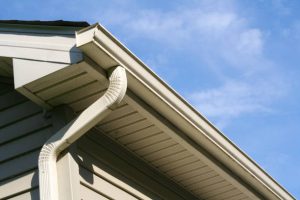
Is your roof showing its age? Missing shingles, water stains on the ceiling, or just that tired, worn-out look can all signal one thing: it’s time for a roof renovation. While it may seem like a massive project, transforming your old roof doesn’t have to be overwhelming. In fact, with the right planning and a few smart choices, it can boost your home’s value, improve energy efficiency, and protect your property for years to come.
Whether you’re dealing with minor wear or you’re long overdue for a full replacement, this guide will walk you through the essential steps to a successful roof renovation. From spotting early signs of damage to picking the perfect materials and maintaining your new roof post-renovation, we’ve got every angle covered.
Let’s break down what you really need to know to turn that aging roof into a strong, stylish, and weather-resistant asset without wasting time or money.
Signs Your Roof Is Ready for Renovation
Before diving into a renovation project, it’s crucial to know whether your roof actually needs it. Many homeowners delay roof work until there’s an emergency like a leak or water damage but smart renovation starts with early detection. Understanding the signs of a deteriorating roof can save you thousands in repairs and protect the structure of your entire home.
One of the most obvious signs is missing, curling, or cracked shingles. Asphalt shingles are designed to lie flat and protect your roof from rain, snow, and UV damage. If they’re lifting at the edges or breaking apart, it means the shingles are deteriorating and water can easily seep beneath them, leading to rot and mold.
You might also notice granules collecting in your gutters. These granules come from the surface of asphalt shingles, and their loss indicates your roof is nearing the end of its life span. It’s a clear sign that the material is wearing down and may no longer be effective against harsh weather.
Another red flag is visible sagging. This could mean the underlying structure your roof decking or rafters is weakening due to moisture damage or rot. A sagging roof isn’t just cosmetic; it’s a serious structural issue that needs attention fast.
Leaks or water stains inside your home are also major indicators. If you see discoloration on your ceiling or walls, your roof might be letting water in during storms. Over time, even small leaks can lead to big problems, such as mold growth, insulation damage, and compromised electrical wiring.
Additionally, check your attic. Daylight coming through roof boards, musty smells, or damp insulation can all point to ventilation problems or small breaches that are letting in water and air.
And don’t forget age. Most asphalt shingle roofs last around 2025 years, while metal, tile, or slate can last longer with proper care. If your roof is nearing that range or you’re unsure when it was last replaced it may be time for a full evaluation.
Spotting these signs early allows you to plan your renovation before costly damage occurs. Getting a professional roof inspection can confirm the condition and help you decide whether a repair or full renovation is the smarter choice.
Choosing the Right Roofing Materials for Your Upgrade
One of the biggest decisions you’ll make during a roof renovation is selecting the right roofing material. Not all roofs are created equal what works for a modern home in Arizona may not be suitable for a colonial-style house in New England. The material you choose affects everything from durability and cost to curb appeal and energy efficiency.
Here’s a breakdown of popular roofing options, their pros, and how to decide what fits your budget, climate, and aesthetic goals.
Asphalt Shingles
Pros: Affordable, widely available, easy to install
Best for: Budget-conscious homeowners in moderate climates
Lifespan: 2025 years
Asphalt shingles remain the most common choice in North America thanks to their cost-effectiveness and variety of colors and styles.
Metal Roofing
Pros: Long lifespan, energy-efficient, recyclable, fire-resistant
Best for: Hot or snowy climates, modern or rustic homes
Lifespan: 4070 years
Metal roofing is ideal for extreme weather areas and adds a sleek, modern touch to your home.
Clay or Concrete Tiles
Pros: Durable, beautiful, great for warm climates
Best for: Mediterranean, Spanish, or Southwestern-style homes
Lifespan: 50+ years
These tiles are heavy, so your home’s structure must be able to support them.
Slate Roofing
Pros: Ultra-durable, elegant appearance, fire-resistant
Best for: High-end homes or historical restorations
Lifespan: 75100+ years
Slate is one of the most expensive options but offers unmatched longevity and natural beauty.
Wood Shakes or Shingles
Pros: Natural appearance, good insulation
Best for: Rustic, cottage, or traditional-style homes
Lifespan: 3040 years (with maintenance)
These require more upkeep and may not be ideal in areas prone to wildfires.
Synthetic Roofing Materials (Rubber, Plastic, Polymer)
Pros: Lightweight, affordable, designed to mimic higher-end materials
Best for: Homes needing a budget-friendly option with decent style and durability
Lifespan: 2050 years depending on type
When choosing your roofing material, factor in local weather conditions, roof pitch, neighborhood aesthetics, and your long-term goals. While budget is important, investing in the right material upfront can mean fewer repairs, lower utility bills, and increased home value in the years to come.
Preparing Your Home (and Budget) for a Roof Renovation
Once you’ve decided to move forward with your roof renovation, preparation becomes just as important as the project itself. Without a clear plan, even a well-intentioned renovation can spiral into unexpected delays, hidden costs, and household disruptions. The more you prepare upfront, the smoother your renovation will go from start to finish.
Start With a Realistic Budget
Roof renovations vary widely in price depending on the size of your roof, the material you choose, and the complexity of the job. On average, homeowners spend between $5,000 and $15,000, but that number can climb higher with premium materials or extensive repairs. Build in at least 1015% extra for unexpected issues like wood rot, poor ventilation, or hidden structural damage.
Request detailed quotes from multiple contractors, and don’t just choose the cheapest bid look for transparency, warranties, and experience. Ask for a line-item breakdown of labor, materials, disposal, and additional charges.
Understand the Permits and Paperwork
Most municipalities require permits for full roof replacements or structural changes. Your contractor will often handle this, but it’s your responsibility to make sure permits are filed and approved before work begins. Failure to get proper permits can result in fines or issues when selling your home down the line.
Also, check your home insurance and warranty coverage before renovation. Some policies require notification if you’re making significant structural changes.
Prep Your Home and Yard
Roof work isn’t quiet or clean. You’ll want to:
- Move vehicles, furniture, and fragile outdoor items away from the house
- Cover attic storage with tarps to protect from falling dust and debris
- Secure wall hangings or valuables inside the home, as hammering may cause vibrations
- Let neighbors know in advance if noise or dumpsters may affect them. Roofing projects typically last 13 days, but larger or more complex renovations may take longer.
Plan for Disruptions
Roofing isn’t usually a project that requires you to vacate your home, but be prepared for early starts, loud work, and temporary access limitations. If you have pets or small children, consider arranging alternative accommodations during peak workdays.
By preparing both your home and your finances, you’ll reduce stress and stay ahead of the curve. A little planning goes a long way in making your roof renovation smooth, efficient, and budget-friendly.
Hiring a Reliable Roofing Contractor: What to Look For
Your roof is one of the most important parts of your home and choosing the right contractor is just as critical as selecting the right materials. A poor installation can lead to leaks, structural damage, and even warranty issues down the road. That’s why hiring a qualified, trustworthy roofing contractor is a step you simply can’t afford to get wrong.
Here’s what to look for when selecting the right pro for your roof renovation:
? Licensing and Insurance
Make sure the contractor is fully licensed in your state or region.
They should carry general liability insurance and workers’ compensation to protect you from liability if an accident happens on-site.
? Proven Experience
Look for contractors with 5+ years of experience, especially in your area’s climate and building styles.
Ask for photos of past projects and references from previous clients.
? Clear Written Estimates
Always request a detailed, itemized quote before signing anything.
The estimate should include labor, materials, permits, cleanup, and any potential add-ons.
? Strong Warranties
A reliable roofer should offer a workmanship warranty (typically 510 years) in addition to the manufacturer’s product warranty on materials.
Ask how claims are handled and how long you’re covered.
? Good Communication
Choose a contractor who responds promptly, answers your questions clearly, and is willing to explain the process.
You should feel confident in their timeline, process, and professionalism from day one.
? Local Reputation
Read online reviews, check ratings with the Better Business Bureau (BBB), and ask friends or neighbors for recommendations.
Local contractors tend to be more accountable and familiar with your region’s codes and weather conditions.
? Cleanup and Disposal
Make sure cleanup is part of the contractremoving old roofing materials, nails, and debris should be the contractor’s responsibility, not yours.
Avoid hiring based on price alone. The lowest bid may cut corners or leave you unprotected if something goes wrong. Quality workmanship, transparent contracts, and a commitment to safety and service should be your top priorities.
Taking the time to vet your contractor ensures your renovation is done right the first time and your new roof will perform as beautifully as it looks.
Post-Renovation Tips: Maintenance to Extend Your Roof’s Life
Just because your roof renovation is complete doesn’t mean the work is over. To protect your investment and avoid unnecessary repairs down the line, ongoing maintenance is key. Even the most durable roofing materials can wear out prematurely without the right care and neglecting maintenance may also void warranties.
Here’s how to keep your newly renovated roof in top shape for years to come.
Schedule Annual Roof Inspections
Have your roof inspected by a professional at least once a yearideally in the spring or fall. These checkups can spot loose shingles, cracked flashing, or early signs of moisture intrusion before they turn into bigger issues.
Clean Your Gutters Regularly
Clogged gutters can cause water to back up onto the roof, damaging shingles and underlayment. Clean gutters at least twice a year (or more often if you have overhanging trees) to prevent overflow and leaks.
Trim Overhanging Branches
Tree limbs can scratch roofing materials or break off during storms, damaging your roof. Keep branches trimmed at least 610 feet away from the surface to avoid contact and debris buildup.
Inspect After Major Storms
After heavy rain, hail, or high winds, inspect your roof for damage. Look for dislodged shingles, dents, or signs of water pooling. If anything looks off, schedule a professional assessment right away.
Keep an Eye on Ventilation and Attic Conditions
Proper ventilation prevents heat and moisture buildup in your attic, which can warp decking and degrade your roofing system. Check that attic vents are clear and that insulation is dry and evenly distributed.
Handle Minor Repairs Promptly
Don’t ignore small problems. A single missing shingle or minor leak can lead to major damage over time. Address issues early to avoid costly repairs or premature replacement.
Maintain Warranty Requirements
Read and follow the maintenance terms outlined in your roofing warranty. Many manufacturers and contractors require proof of regular care to honor warranty claims. Keep receipts, inspection reports, and photos of your roof over time.
With just a bit of seasonal attention, you can extend the life of your roof by 5, 10, or even 20 extra years, depending on the material. Your renovation was an investment routine care is how you protect that investment long-term.
Conclusion
Renovating your roof is one of the smartest moves you can make as a homeowner but it’s not just about boosting curb appeal. A well-planned roof renovation protects your home, improves energy efficiency, and adds serious long-term value. From spotting the early signs of damage to choosing the right materials and contractor, every step you take plays a role in the success of your project.
And it doesn’t stop when the last shingle is nailed down. Ongoing maintenance is key to maximizing the lifespan of your roof and protecting your investment. Regular inspections, timely cleanups, and proactive repairs ensure your new roof stays strong for decades to come.
Whether you’re fixing damage or giving your home a full makeover, treat your roof like the foundation it is because when it’s done right, it’ll have your back through every season. Plan smart, build strong, and maintain well. Your future self (and your home) will thank you.