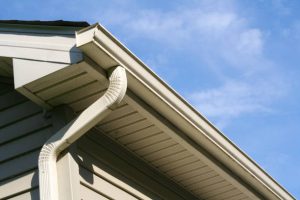
A solid roof is essential to protecting your home, but even the most durable roofing materials have a lifespan. Over time, exposure to harsh weather, wear and tear, and structural shifts can weaken a roof’s integrity. Knowing when to replace your roof, what factors influence the cost, and how to choose the best materials will save you from costly damages down the road. If you’re considering a roof replacement, this guide will walk you through everything you need to know.
Signs It’s Time to Replace Your Roof
Roofs don’t last forever, and waiting too long to replace one can lead to extensive interior damage. Here are some clear signs that indicate it’s time for a new roof:
- Curled, cracked, or missing shingles Shingles that are warped or breaking apart expose the underlayment and can lead to leaks.
- Water leaks and stains If you notice water damage on your ceilings or walls, your roof may be compromised.
- Sagging roof deck A roof that appears to be sagging or dipping could indicate structural damage that requires immediate attention.
- Excessive granule loss If you see granules collecting in gutters, your shingles are deteriorating faster than expected.
- Moss or mold growth While some growth is normal, excessive moss or mold can signal trapped moisture, which weakens roofing materials.
- Roof age If your roof is over 2030 years old (depending on the material), it may be time to replace it before major issues arise.
Ignoring these warning signs can result in expensive repairs beyond just the roofsuch as interior water damage, insulation problems, and even structural decay.
Choosing the Right Roofing Material
When replacing a roof, selecting the right material is just as important as the installation itself. Homeowners today have a variety of options to choose from, each offering different benefits in terms of durability, cost, and energy efficiency.
Asphalt shingles are the most common choice due to their affordability and versatility, lasting 2030 years. Metal roofing, on the other hand, can last 4070 years and offers superior resistance to harsh weather. For those looking for timeless aesthetics and longevity, tile and slate roofing provide durability of up to 100 years, though they require a higher investment. Wood shingles and shakes bring a natural look but need regular maintenance to prevent decay. The right choice depends on budget, climate, and personal preference.
What to Expect During a Roof Replacement
Replacing a roof is a significant project, but understanding the process can make it less overwhelming. Here’s a general overview of what to expect:
- A professional roofer will assess your current roof’s condition and provide an estimate based on material, labor, and project scope.
- After selecting materials, the contractor schedules a start date.
- The existing roofing material is removed, and the underlying structure is inspected for damage.
- Any necessary repairs to the roof deck are completed before installing the new roof.
- The new roofing material is installed, including waterproof barriers and flashing.
- A final inspection ensures the roof is installed correctly, followed by cleanup of all debris.
A full roof replacement typically takes one to three days, depending on home size and weather conditions. Choosing a reputable roofing contractor ensures efficiency and professional results.
Cost Considerations for Roof Replacement
The cost of replacing a roof varies based on material choice, labor rates, and roof complexity. On average, homeowners can expect to pay $5,000$15,000 for an asphalt shingle roof, while premium materials like metal or slate can cost significantly more.
Several factors affect the final price, including roof size, pitch, and whether structural repairs are needed. Additionally, geographic location impacts labor and material costs. Investing in high-quality materials and expert installation can extend your roof’s lifespan and reduce long-term expenses on maintenance and repairs.
A Roof That Protects for Decades
A roof replacement is more than just a home improvement projectit’s an investment in safety, comfort, and long-term value. Selecting the right materials, working with skilled professionals, and keeping up with maintenance ensures that your new roof provides decades of protection. Whether you’re upgrading for aesthetic appeal or addressing aging damage, replacing your roof strengthens your home’s foundation and increases its overall efficiency. Take the step today to safeguard your home for the future.