Regular roof inspections are essential for maintaining the integrity of your home or commercial building. Many property owners overlook roof maintenance until problems arise, leading to costly repairs or even full replacements. This FAQ guide will answer common questions about roof inspections, why they are necessary, and how they can save you money in the long run.
1. Why Is a Roof Inspection Important?
A roof inspection helps identify potential issues before they become major problems. Over time, exposure to weather, UV rays, and structural settling can cause deterioration. Regular inspections ensure that minor damages, such as loose shingles, small leaks, or debris buildup, are addressed before they escalate into costly repairs or interior damage.
2. How Often Should a Roof Be Inspected?
It is recommended to have a professional roof inspection at least once a year. Additionally, inspections should be conducted after severe weather events such as storms, heavy snowfall, or hurricanes, as these conditions can cause immediate damage that might not be visible from the ground.
3. What Does a Roof Inspection Include?
A thorough roof inspection typically covers:
- Structural Inspection Checking for sagging areas, uneven surfaces, and the integrity of roof supports.
- Material Inspection Assessing the condition of shingles, tiles, flashing, and other roofing materials.
- Interior Inspection Examining ceilings and attics for signs of water damage, mold, or insulation issues.
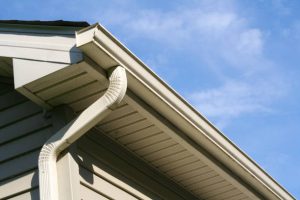
- Drainage Inspection Ensuring that gutters, downspouts, and drainage systems are clear and functioning properly.
4. Can I Inspect My Roof Myself?
While homeowners can perform basic visual checks, such as looking for missing shingles or pooling water, a professional inspection is recommended for a comprehensive assessment. Trained roofers have the expertise and equipment to detect issues that might not be obvious to an untrained eye.
5. What Are the Most Common Roofing Problems Found During Inspections?
Roof inspections often uncover issues such as:
- Missing, cracked, or curling shingles
- Damaged flashing around vents and chimneys
- Leaks and water damage
- Clogged or improperly installed gutters
- Mold or mildew growth from trapped moisture
Addressing these issues early can prevent further damage and prolong the lifespan of your roof.
6. How Much Does a Roof Inspection Cost?
The cost of a professional roof inspection varies depending on factors such as roof size, accessibility, and location. On average, homeowners can expect to pay between $150 and $400 for a thorough inspection. Some roofing companies offer free inspections, especially if you are considering repairs or replacements.
7. Will a Roof Inspection Help with Insurance Claims?
Yes, regular roof inspections can be beneficial when filing insurance claims for storm damage or other unexpected incidents. Having a documented history of roof inspections shows that the homeowner has maintained the roof properly, making it easier to prove damage was caused by external factors rather than neglect.
8. What Happens If My Roof Fails an Inspection?
If significant issues are discovered during an inspection, the roofer will provide recommendations for necessary repairs or replacements. Some minor repairs can be handled immediately, while more extensive damage may require planning and budgeting. Addressing problems early helps prevent structural issues and costly emergency repairs.
9. How Can I Prepare for a Roof Inspection?
To ensure an efficient inspection, property owners can:
- Clear any debris from the roof and gutters
- Provide access to the attic for interior assessment
- Take note of any leaks, water stains, or areas of concern to discuss with the inspector
Being proactive can make the inspection process smoother and more productive.
10. When Is the Best Time for a Roof Inspection?
The best time for a roof inspection is during mild weather conditions, such as spring or fall. Extreme temperatures in summer or winter can make roof assessments more challenging. However, inspections should be scheduled immediately after severe weather events to assess potential storm damage.
Final Thoughts on Roof Inspections
Regular roof inspections are a simple but effective way to protect your investment, extend the lifespan of your roof, and prevent unexpected repair costs. Whether for a residential or commercial property, scheduling routine inspections ensures your roof remains in top condition year-round. If you haven’t had a roof inspection recently, now is the perfect time to prioritize it and avoid costly issues down the road.