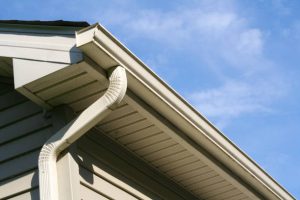
Your home’s roof is one of the most critical components of its structure, providing protection, insulation, and aesthetic appeal. Whether you’re building a new home or replacing an aging roof, selecting the right materials and ensuring a proper installation can significantly impact durability and energy efficiency. In this guide, we’ll explore the best roofing materials available, their benefits, and key installation tips to help homeowners make an informed decision.
Understanding Different Roofing Materials
Choosing the right roofing material depends on several factors, including climate, budget, and maintenance needs. Among the most popular choices, asphalt shingles stand out due to their affordability and ease of installation. Metal roofing, while more expensive upfront, provides excellent durability and energy efficiency, making it a worthwhile investment. For those seeking longevity, slate and clay tiles offer unmatched durability but require reinforced roofing structures due to their weight. Wood shingles and shakes provide a natural and rustic aesthetic but demand frequent maintenance to prevent rot and insect damage. Each material has its strengths and drawbacks, making it essential to weigh long-term benefits against initial costs.
Another increasingly popular option is synthetic roofing materials, which mimic the look of natural materials like slate or wood while offering improved durability and lower maintenance requirements. These materials are often lightweight, making them easier to install without requiring structural reinforcement. Additionally, green roofing solutions, such as solar-integrated roofing systems or living roofs, are becoming more widely adopted for their sustainability benefits.
Key Considerations for Selecting Roofing Materials
When selecting a roofing material, homeowners must take into account factors such as climate suitability and longevity. Some materials perform better in certain weather conditionsmetal roofs, for instance, excel in regions prone to heavy snowfall, while clay tiles are ideal for hot, dry climates. Budget constraints also play a role; while asphalt shingles remain a budget-friendly option, premium materials like slate and copper require a significant upfront investment. Additionally, the long-term maintenance requirements should be factored in, as certain materials demand more upkeep than others to maintain their performance and appearance over time.
- Climate Compatibility Materials should align with regional weather conditions to ensure durability and efficiency.
- Lifespan & Durability Some roofing materials, like slate and metal, last significantly longer than asphalt shingles.
- Cost vs. Value While some materials may require a higher initial investment, they can save money in the long run by reducing maintenance and replacement costs.
- Aesthetic Appeal Homeowners should choose materials that complement the architectural style of their homes.
- Eco-Friendliness Some materials, such as recycled metal or solar shingles, offer sustainable benefits that reduce environmental impact.
Ensuring a Proper Roof Installation
A well-installed roof is crucial for maximizing its lifespan and preventing common issues like leaks and poor insulation. Hiring a skilled contractor is one of the most important steps in the process. Professional roofers ensure that proper ventilation, underlayment installation, and flashing are in place to enhance the durability of the roof. Without these essential elements, even the highest-quality roofing materials can underperform, leading to costly repairs down the line.
Beyond hiring a professional, homeowners should also ensure their roof has an adequate slope for water drainage. Roof designs that trap moisture can lead to mold growth and structural damage. Additionally, regular inspections and timely repairs prevent minor issues from escalating into major expenses. A combination of quality materials, skilled installation, and proactive maintenance helps ensure that a new roof provides long-term protection and value.
Another factor that plays a critical role in roofing longevity is insulation. Proper attic insulation and ventilation help regulate indoor temperatures, prevent ice dams in winter, and reduce moisture buildup. This contributes to energy efficiency and lowers overall heating and cooling costs.
Roof Maintenance and Long-Term Care
Once a new roof is installed, regular maintenance ensures it remains in good condition for decades. Homeowners should conduct periodic inspections to check for missing or damaged shingles, leaks, or debris buildup. Cleaning gutters and downspouts helps prevent water damage, while trimming overhanging tree branches reduces the risk of fallen debris damaging the roof.
Seasonal inspections, particularly after heavy storms or winter months, can help identify and address potential problems early. For those using materials like wood shingles or shakes, applying protective coatings and ensuring proper ventilation helps prevent rot and extends their lifespan. Professional roofing contractors can also conduct annual inspections to detect and fix minor issues before they become major problems.
Investing in a Roof That Lasts
Choosing the best roofing material and ensuring proper installation is key to a home’s longevity and efficiency. Understanding the unique benefits and drawbacks of different materials allows homeowners to select an option that meets their needs while staying within budget. A well-installed and maintained roof not only enhances curb appeal but also provides peace of mind, knowing that the home is protected against the elements.
For those planning a roof replacement or new installation, consulting with a trusted roofing professional can make all the difference. A strategic approach to material selection, combined with expert craftsmanship, results in a roof that offers both beauty and resilience for years to come. By taking proper care of your roof and considering long-term maintenance, homeowners can maximize their investment and ensure reliable protection against the elements.