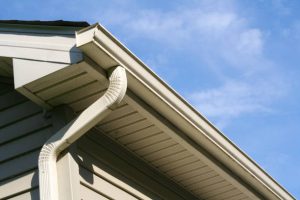
Hailstorms can cause significant damage to roofs, leading to leaks, structural issues, and costly repairs. If your roof has recently been affected by hail, acting quickly can prevent further damage and protect your home. Understanding how to assess hail damage, repair affected areas, and handle insurance claims can make the recovery process smoother and more affordable.
How Hail Damages Roofs
Hail can impact different roofing materials in various ways. The severity of the damage depends on hail size, wind speed, and the condition of your roof. Shingles may show bruising, with dark spots where granules have been knocked off, weakening their protective layer. Clay, concrete, or slate tiles can develop cracks from the force of impact, leading to water infiltration. Metal roofs, while generally durable, may suffer dents that weaken their structural integrity.
Additionally, the impact of hail can compromise the seals around shingles or flashing, increasing the risk of leaks over time.
Assessing Hail Damage on Your Roof
After a hailstorm, conducting a proper inspection is essential. Start by visually examining your roof from the ground, checking for missing shingles, granule buildup in gutters, or visible dents. If you notice water stains on ceilings or moisture buildup in the attic, it could indicate hidden leaks. A professional roof inspection provides the most accurate assessment, as experts can detect structural weaknesses and document damage for insurance purposes.
Roof Repair Options for Hail Damage
The extent of repairs depends on the severity of the damage. Minor issues, such as small dents or localized granule loss, can be fixed with simple patchwork. Individual shingles may need replacement to maintain the roof’s integrity. In some cases, applying protective coatings can enhance durability and improve resistance against future hailstorms. For more extensive damage, repairing flashing around vents and chimneys helps prevent long-term water infiltration. If the damage is severe, a full roof replacement may be necessary to prevent costly structural issues in the future.
Filing an Insurance Claim for Hail Damage
Many homeowners insurance policies cover hail damage, but filing a successful claim requires proper documentation. Start by taking clear photos and videos of all affected areas. Obtaining a professional estimate from a roofing contractor strengthens your claim and provides an accurate repair cost.
Contact your insurance provider to report the damage and submit the necessary documents. An insurance adjuster will then assess the roof to determine coverage. If the payout is lower than expected, you have the right to dispute it with additional estimates or contractor reports.
Protecting Your Roof from Future Hail Damage
Taking preventative measures can reduce the risk of severe hail damage. Some of the most effective strategies include:
- Installing Impact-Resistant Shingles These are designed to withstand heavy impact and minimize damage.
- Regular Roof Inspections Identifying weak spots early ensures your home is prepared for extreme weather.
- Maintaining Gutters and Drainage Systems Proper drainage helps prevent water buildup, which can weaken roofing materials.
- Opting for a Metal Roof Metal roofs offer superior durability against hail impact and are a long-term investment for storm-prone areas.
If you live in an area prone to severe weather, investing in stronger roofing materials and regular maintenance can help prevent costly repairs and extend the lifespan of your roof.
Preventative measures can reduce the risk of severe hail damage. Installing impact-resistant shingles provides an added layer of protection. Regular roof inspections help identify weak spots early, ensuring your home is prepared for extreme weather.
Maintaining gutters and drainage systems prevents water buildup, reducing the risk of long-term deterioration.If you’re considering a roof replacement, opting for a metal roof can provide superior durability against hail impact, making it a long-term solution for storm-prone areas.
Keeping Your Roof Strong Against Hail
Hail damage can be costly, but timely repairs and preventative measures can extend your roof’s lifespan. Assessing damage early, working with professional roofers, and navigating the insurance claims process effectively helps homeowners restore their roofs efficiently. Investing in impact-resistant materials and regular maintenance ensures your home remains protected for years to come.