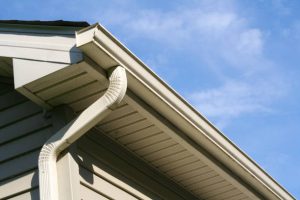
When it comes to your home’s roof, the question isn’t if you’ll need to fix it but when. Over time, even the most durable roofs begin to show signs of wear and tear. As a homeowner, knowing when to patch up a problem and when it’s time for a full renovation can save you thousands of dollars and prevent serious damage to your home’s structure.
Too often, homeowners delay roof renovations, hoping that another quick repair will buy them more time. But ignoring early warning signs can lead to bigger issues like leaks, mold, energy loss, or even a roof collapse.
This blog will walk you through seven key signs that it’s no longer enough to just fix it, and it may be time to fully renovate your roof. If you’ve noticed any of these issues, acting early could protect your home, your budget, and your peace of mind.
Your Roof Is Over 20 Years Old?
Age is one of the most important indicators that it might be time to renovate your roof. While some roofing materials can last longer than others, the average asphalt shingle roof has a lifespan of about 20 to 25 years. After that point, even if the roof looks fine from the ground, it may have underlying issues that are weakening its performance.
Older roofs naturally wear down due to constant exposure to the elements sun, wind, rain, snow, and fluctuating temperatures. Over time, the materials break down, shingles become brittle, sealants dry out, and flashing starts to fail. Even small leaks or cracks can go unnoticed for years until the damage becomes severe.
Many homeowners wait until there’s a clear problem like a leak or missing shinglesbefore taking action. But by that time, water may have already seeped into the underlayment, causing mold growth, wood rot, or insulation damage beneath the surface.
If your roof is:
- Over two decades old
- Installed over old layers (which shortens its life)
- Missing documentation about its age or past repairs
it’s time to seriously consider a full renovation. This is especially true if your neighborhood is full of homes with similar-aged roofs and you notice neighbors getting theirs replacedroofing cycles often hit entire blocks at once due to similar construction dates.
Another factor to keep in mind is homeowner’s insurance. Many policies have age-related limitations on roof coverage. If your roof is 20+ years old, your insurer may refuse to cover damage or leaks, leaving you to pay out of pocket for expensive repairs.
Renovating an aging roof might seem like a big investment, but it’s often the smarter, more cost-effective move in the long run. A new roof offers peace of mind, better energy efficiency, and increased property value not to mention fewer headaches down the road. If your roof is pushing past the 20-year mark, now is the time to assess its condition before minor problems become major disasters.
Shingles Are Missing, Curling, or Cracked
Shingles are your roof’s first line of defense against the elements, so when they start showing signs of wear, it’s a major red flag. While a few damaged shingles may seem like an easy fix, widespread shingle problems often signal that your entire roof is deteriorating. If you’ve noticed curling, cracking, or bald patches, it may be time to stop patching and start planning a renovation.
Damaged shingles leave your home vulnerable to water intrusion, UV damage, and structural issues. Once shingles lose their ability to properly seal and shed water, your roof becomes a ticking time bomb for leaks and rot.
Here are the most common visual signs to watch for:
- Curling or cupped shingle edges This indicates the shingles have aged and dried out, losing their protective properties.
- Cracked or brittle shingles Often caused by weather extremes and UV exposure, cracked shingles are more prone to breaking off or blowing away in storms.
- Bald spots or missing granules Granules protect shingles from the sun. Their loss shortens the roof’s life and can lead to overheating.
- Loose or missing shingles If your roof sheds shingles after a windy day, it’s likely that the adhesive and nails are failing.
- Color inconsistencies or patchy repairs These can signal repeated spot fixes, indicating the roof is nearing the end of its effective life.
Replacing a handful of shingles might help in the short term, but if these issues are spread across your roof, you’re only delaying the inevitable. A failing shingle system leads to bigger problems beneath the surface such as compromised underlayment, flashing failure, and water damage to your attic or insulation.
Plus, if your roof looks patchy or visibly worn, it can hurt your curb appeal and resale value. Renovating the roof with high-quality materials not only protects your home better but also refreshes its overall appearance.
In short, if your shingles are telling you they’re done doing their job, it’s time to listen. A full renovation might be the safest and most cost-effective route forward.
Water Stains or Leaks Inside
If you’ve started noticing water stains on your ceiling or walls, that’s a clear sign your roof is no longer doing its job and it could be time for a full renovation. Leaks are one of the most obvious indicators of roof failure, but what many homeowners don’t realize is that by the time water shows up inside, the damage is often already well advanced.
Water can seep through tiny cracks in your roof, flow along rafters or insulation, and finally drip down into your living space sometimes far from the actual source of the leak. You might spot yellow or brown stains, bubbling paint, sagging drywall, or even a musty smell, especially in the attic or upper floors.
Common areas where indoor roof leaks appear include:
- Ceiling corners or around light fixtures
- Interior walls near the roofline
- The attic (check for damp insulation, mold, or rotting wood)
Small leaks can sometimes be patched, but if the leaks keep coming back or are happening in multiple places, it’s often a sign that your roofing system is failing as a whole. Patchwork repairs might hide the symptoms temporarily, but they won’t address the root causesuch as deteriorated underlayment, compromised flashing, or widespread shingle failure.
Moisture inside your home leads to more than just cosmetic damage. Over time, it can cause:
- Mold and mildew growth, which is hazardous to your health
- Damaged insulation, making your home less energy-efficient
- Rotted wood and weakened structural elements
The longer a leak goes unaddressed, the more expensive the repairs become not just for your roof, but for your ceilings, walls, and even flooring. If you’ve tried repairing leaks multiple times and they keep returning, or if you notice stains spreading, it’s a strong signal that your roof may need a full renovation.
Don’t wait until a leak turns into a flood. A proactive roof replacement could save you from major interior damage, costly repairs, and ongoing stress. If you’re seeing the signs indoors, the problem likely started up top and it’s time to deal with it properly.
Sagging Rooflines or Soft Spots
A sagging roofline is one of the most serious warning signs that your roof may be on the verge of structural failure. Unlike cosmetic issues like worn shingles or faded materials, sagging or dipping areas indicate problems deep within the roofing system often involving the decking, rafters, or underlying support structure.
This type of damage is usually caused by prolonged water intrusion, poor ventilation, or excessive weight from snow, ice, or layers of old roofing materials. When the roof structure begins to weaken, it can no longer support the load evenly, resulting in visible dips, waves, or sags along the surface.
Here are key signs to look for:
- Visible dips or uneven lines when viewing your roof from the street
- Soft or spongy spots when you walk on the roof (if it’s safe to do so)
- Cracks in your interior ceiling or walls, especially near the attic
- Ponding water on flat or low-sloped roofsindicating poor drainage due to sagging
- Interior leaks beneath sagging areas, signaling structural rot beneath the surface
Sagging is more than just an aesthetic issue it’s a safety hazard. Left unchecked, the compromised area can collapse, leading to massive damage inside your home and putting your family at risk. Even small sags can become worse over time, especially when exposed to heavy rain or snow.
Soft spots are another red flag. These occur when the roof decking has been weakened by rot, mold, or water damage. You may feel the roof give slightly when walking over these areas, or see visual signs like slight dips or discoloration. Soft spots almost always mean the underlayment and support below the shingles are compromised, making a roof renovation urgent.
If you notice any of these issues, patching or temporary reinforcement isn’t enough. The entire roofing system, including structural supports, may need to be evaluated and replaced. A full renovation ensures your home’s integrity is restored and prevents further damage that could cost you much more down the line.
A sagging roof isn’t something to monitor, it’s something to act on. The sooner you address it, the safer and more secure your home will be.
Rising Energy Bills and Poor Ventilation
If you’ve noticed your heating or cooling bills climbing higher each season, your roof might be part of the problem. Many homeowners overlook the connection between an aging or damaged roof and their home’s overall energy efficiency. But the truth is, your roof plays a major role in regulating indoor temperature and airflow.
As roofing materials age, they lose their insulating power. Shingles can warp or crack, underlayment may deteriorate, and ventilation systems can become blocked or ineffective. When that happens, your home struggles to maintain a stable temperature forcing your HVAC system to work overtime and driving up energy costs.
Signs your roof might be affecting energy efficiency:
- Hot upstairs rooms in summer A poorly ventilated attic traps heat, turning your top floor into an oven.
- Cold drafts in winter Damaged roofing allows warm air to escape and cold air to seep in.
- Frequent HVAC cycling If your heating or cooling system seems to run constantly, your roof may no longer be providing the protection it should.
- Excess moisture in the attic Poor ventilation allows condensation to build up, which not only wastes energy but also leads to mold and wood rot.
Modern roofing systems are designed with energy efficiency in mind. Reflective shingles, better underlayment, and proper ventilation channels all help regulate attic temperatures and reduce your reliance on heating and cooling systems. By upgrading your roof, you can significantly cut down on utility bills while improving indoor comfort year-round.
In addition to immediate savings, a new energy-efficient roof adds long-term value to your home. Buyers today are more energy-conscious than ever, and an efficient roofing system is a major selling point.
If you’ve noticed a steady increase in your utility costs or uncomfortable temperature fluctuations inside your home, it may be time to consider a roof renovation not just for your comfort, but for your wallet, too. Renovating your roof isn’t just about fixing leaks or improving looks; it’s a long-term investment in energy savings, comfort, and sustainability.
Endnote: If You’re Asking, It Might Be Time to Renovate
Knowing when to stop patching and start renovating your roof can save you from unexpected repairs, rising energy bills, and serious structural damage. If your roof is over 20 years old, showing signs of curling or missing shingles, leaking inside, sagging, or contributing to higher utility costs, it’s likely time to consider a full renovation.
While small repairs may seem like the more affordable option in the short term, they often mask deeper issues that grow worse over time. A full roof renovation offers lasting protection, increased energy efficiency, improved home value, and peace of mind especially when done before damage becomes critical.
If you’ve recognized one or more of the signs discussed in this guide, don’t wait. Schedule a professional inspection to get a clear assessment of your roof’s condition. Acting early can prevent more costly repairs and ensure your home stays safe, comfortable, and secure for years to come.