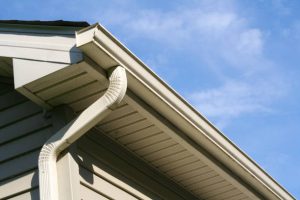
Gutter Replacement Isn’t Just CosmeticIt’s Structural
Gutters are one of the most overlooked parts of a home’s exterior. As long as water seems to be flowing, most homeowners assume everything is working as it should. But gutters do far more than just move waterthey protect your roof, walls, foundation, and landscaping from long-term water damage. When they start to fail, even in subtle ways, your entire home becomes vulnerable. That’s why recognizing the signs of gutter failure earlyand knowing when it’s time to replace themis absolutely critical.
In 2025, modern gutter systems are built to last, but not forever. Aluminum gutters typically offer a 20- to 30-year lifespan, while copper gutters can go 50 years or more. However, severe weather, poor installation, lack of maintenance, or surrounding tree coverage can shorten that timeline significantly. Over time, wear and tear can compromise even the best materials.
Replacing your gutters at the right time isn’t just about avoiding leaks. It’s about maintaining the entire envelope of your home. Functional gutters prevent rot, mold, erosion, and cracks in your foundation. And beyond that, new gutters can improve curb appeal, increase resale value, and integrate better with roofing and siding updates. Knowing what to look forand acting before the damage spreadscan save you thousands in repairs. Let’s look at the top signs it’s time for a change.
Sign #1: Cracks, Holes, and Rust Spots
A few tiny cracks might not seem like a big deal, but when it comes to gutters, small issues don’t stay small. Cracks, pinholes, and rust spots are some of the earliest signs that your gutter system is reaching the end of its life. These weak points allow water to drip behind the gutter, rot fascia boards, and seep into the siding or foundation.
You might spot these flaws during a heavy rain, or they may become obvious when water stains appear on the exterior walls. In metal gutters, rust usually starts in areas where water sits for too longsuch as at seams or low points caused by poor slope. In vinyl gutters, cracks can form from age, UV exposure, or winter freeze-thaw cycles.
Some damage can be patched temporarily with sealant or tape, but these are band-aid fixes. Once your gutters begin to crack or corrode in multiple spots, it’s a clear signal that the material has been compromisedand the damage will only spread. Replacement becomes the smarter investment, especially if the issues are affecting more than one section of the system.
Modern seamless gutters reduce the risk of cracks by eliminating joints in long runs, while copper and steel gutters offer improved durability over standard aluminum. If you’re dealing with more than just one isolated issue, it’s time to talk to a contractor about replacing the entire system before it leads to bigger problems below.
Sign #2: Sagging or Pulling Away From the House
Sagging gutters are easy to ignoreuntil a major storm hits and you’re dealing with a full collapse. When gutters start pulling away from the fascia or visibly dipping in the middle, it’s a sign that they’re no longer doing their job. And more importantly, it’s often not just the gutters that are at faultit’s the structure behind them that’s being compromised.
The most common cause of sagging is weight. Waterlogged debris, standing water from improper slope, or even nests from animals like birds and squirrels can create excess pressure. Over time, this weight pulls the gutters down, loosens fasteners, and separates joints. In many cases, the underlying wood fascia becomes soft or rotted, making it even harder to keep the system anchored.
This isn’t just a functional issueit’s a dangerous one. A sagging gutter can fall during a storm or under snow weight, potentially causing damage to your siding, windows, or anyone walking below. If tightening screws or replacing hangers doesn’t solve the problem, it’s likely that the gutter has warped or that the fascia is compromised. At that point, full replacement is the safest and most effective solution.
Newer systems use hidden hangers or continuous brackets for added strength, and some are designed to shed debris more effectively to prevent buildup. If your gutters are sagging, don’t wait. Inspect the damage, check the fascia, and get a quote. It’s not just about appearanceit’s about protecting everything that gutter is supposed to be shielding.
Sign #3: Water Overflowing or Pooling Around the Foundation
Gutters are designed to carry water away from your home, plain and simple. When they’re working properly, rain is captured, funneled into downspouts, and sent at least 46 feet away from the base of your home. But when gutters become damaged or clogged beyond repair, that flow gets disruptedand water starts spilling over the sides or pooling near your foundation. That’s when the real damage begins.
Pooling water can erode soil, kill plants, and soak into your foundation, causing cracks, shifting, or even basement flooding. You might notice patches of soggy soil after every rain, or worse, water entering your crawlspace. These signs often point to a gutter system that’s simply no longer directing water where it should go.
Yes, sometimes a clog is to blamebut if you’ve already cleaned the gutters and the problem persists, it’s time to look at the system as a whole. Gutters that are undersized, misaligned, or too warped to hold proper slope can’t be fixed with a patch. They need to be replaced with a properly sized and pitched system, often with extended downspouts or splash blocks to carry the water farther away.
Modern gutter systems are more efficient than ever. With options like seamless runs, larger-capacity designs, and water-routing accessories, you can eliminate overflow and give your foundation the protection it needs. Don’t underestimate the connection between old gutters and new water damagereplacing your system could be the smartest preventative move you make all year.
Sign #4: Mold, Mildew, or Peeling Paint
It’s easy to dismiss mold or peeling paint as a cosmetic issuebut when they appear near the roofline, windows, or siding, it often traces back to failing gutters. Water that spills or seeps behind clogged or cracked gutters doesn’t just disappearit runs down your home’s exterior, soaking into porous surfaces and creating the perfect environment for mold and mildew to thrive.
You might first notice a discoloration on the siding or a black streak forming along the fascia. Over time, the moisture spreads, causing paint to bubble, peel, or flake off entirely. If left untreated, this moisture doesn’t just affect your home’s appearanceit starts to eat away at the structure beneath. Wood rot, insulation damage, and compromised air quality are all common consequences.
In some cases, you may be able to repaint or pressure wash the areabut those are surface fixes. If the underlying gutter system continues to leak, the damage will return again and again. Mold remediation and structural repair are far more expensive than simply replacing the gutters and resolving the root of the problem.
If mold or peeling paint is persistent and always in the same spots, it’s a sign your gutters aren’t draining properly. Look updon’t just patch the wall. Gutters may seem like a separate system from your home’s finish, but they are deeply connected. Fixing one without fixing the other is like repainting a leaky ceiling without repairing the roof. Replacement might be the most cost-effective long-term solution.
Sign #5: Flooded Basement or Crawl Space
A flooded basement or wet crawl space is one of the most expensive and stressful consequences of failing gutters. When your gutters are cracked, clogged, misaligned, or undersized, they allow rainwater to spill directly next to your foundation. Over time, that water doesn’t just sit on the surfaceit seeps into the soil and finds its way through small cracks and porous concrete. The result? Damp, musty air, mold growth, and in more severe cases, standing water in your basement.
You may notice this issue slowly. Perhaps your basement feels more humid, or there’s a faint mildew odor after heavy rain. Eventually, you might see water pooling in corners or along the base of your basement walls. This isn’t just annoyingit’s dangerous for your home’s structure and your health. Mold remediation, water extraction, and structural repairs can cost thousands. And most of the time, the real culprit isn’t your plumbingit’s your gutters.
Replacing a failing gutter system with a modern, high-capacity setup, including downspout extensions and proper grading, can instantly solve the problem at its source. It redirects water far enough away that your basement stays dryeven during severe storms. If you’ve had to run dehumidifiers constantly or dread walking downstairs after every rain, don’t ignore the signs. Your gutter system may be crying out for replacement, not just cleaning.
Signs in the Landscaping: Washed-Out Beds and Eroded Soil
Your landscaping can be one of the first areas to show visible damage from failing guttersand one of the easiest to overlook. If you notice mulch being washed away, flowerbeds turning into swamps, or soil disappearing from the edge of your home after every rainfall, your gutters aren’t doing their job. Overflowing water is cutting into the earth, leaving behind ruts, pits, and exposed roots.
Healthy landscaping depends on proper water control. Gutters are supposed to move water gently away from your home and deposit it in safe zones where it won’t do damage. When that system breaks down, the water comes crashing down like a waterfall directly off the roofline. That pressure crushes delicate plants, erodes walkways, and washes away topsoilespecially in sloped yards.
Sometimes this gets blamed on poor drainage or bad landscape design. But more often than not, it’s the gutter system that’s underperforming. If you’re constantly replacing mulch, fighting standing water in your flowerbeds, or dealing with shifting soil near your home’s perimeter, it’s time to look up. New gutters, especially with properly placed downspouts and splash guards, can fix these issues quickly and prevent further destruction to your yard.
Frequent Repairs and Patching: A Sign of a System at the End
If you find yourself constantly patching your gutters, sealing leaks, hammering brackets, or reattaching loose sections after every storm, it’s time to accept the obvious: your gutter system is on its last legs. Like any exterior feature, gutters have a lifespan, and once they start deteriorating in multiple areas, no amount of sealant or DIY repair will restore full functionality.
Temporary fixes might buy you time, but they can’t compensate for structural fatigue, warping, or long-term corrosion. Each repair adds weight, affects water flow, and introduces more seams that can fail later. If you’ve made three or more repairs in the last yearor if the same problems keep reappearingit’s more cost-effective to replace the system entirely.
New gutters, especially seamless ones, are engineered for strength, longevity, and lower maintenance. They’re available in materials that resist corrosion, won’t dent easily, and are installed with reinforced brackets that hold up under heavy rain or snow. Once installed, they require far fewer interventions and can give you peace of mind with every storm. It’s tempting to keep making do, but in many cases, the smarter move is to stop repairing and start replacing.
Solutions: What to Look for in a Replacement System
If you’ve identified one or more of the signs above, you’re likely in the market for a replacement. So what should you be looking for in a modern gutter system in 2025? Start with seamless constructionit’s the gold standard. By eliminating joints along long gutter runs, seamless systems drastically reduce the risk of leaks and make maintenance easier.
Next, consider material durability. Aluminum is still the most common choice for its balance of weight and performance, but higher-end options like steel or copper provide better longevity and less expansion/contraction during temperature shifts. Also, think about gutter size. If your area sees heavy rain, a wider 6-inch gutter might make more sense than the standard 5-inch size. Oversized gutters handle more volume without risking overflow.
You’ll also want to pay attention to the bracket system. Hidden hangers, spaced correctly, provide superior support and a cleaner look compared to older spike-and-ferrule methods. Don’t forget about downspoutsupgrading to larger or more strategically placed ones can significantly improve drainage.
Finally, consider accessories like gutter guards, especially if your home is surrounded by trees. While they don’t eliminate cleaning entirely, they reduce the need dramatically. A well-designed gutter system is one that functions effectively, resists damage, and doesn’t demand constant attention. That’s the goal when you replaceless stress, more protection.
Final Thoughts: Know the Signs, Avoid the Damage
Gutters are one of the simplest systems on your homebut they’re also one of the most important. When they stop working, water takes the path of least resistanceusually straight into your siding, soil, or basement. That’s why recognizing the signs of failure isn’t just helpfulit’s essential. Cracks, sagging, overflow, mold, landscape damage, and endless repairs are all warning signals that your gutter system is ready to be retired.
Replacement may seem like a big project, but the payoff is immediate and long-term. You’ll stop worrying every time it rains, your basement will stay dry, your foundation will stay intact, and your landscaping will thrive instead of wash away. Whether you’re doing it yourself or hiring a pro, investing in a new gutter system isn’t just smartit’s preventative maintenance at its finest.
Your gutters protect your biggest investment: your home. Don’t wait until the damage is done. Watch for the signs. Choose the right solution. And let your next storm pass without a second thought.