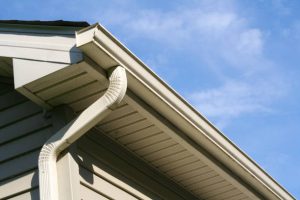
Why Gutter Cleaning Matters More Than You Think
Gutter cleaning is one of those chores that homeowners know they should dobut often postpone until it’s too late. The truth is, gutters quietly protect some of the most vulnerable parts of your home: the foundation, roof, siding, and even your landscaping. When gutters become clogged with leaves, twigs, and other debris, they stop functioning properly. Instead of channeling water away, they overflow, leak, and trap standing waterall of which can lead to expensive damage over time.
In 2025, with extreme weather events becoming more common, the risks of ignoring your gutters are higher than ever. Heavy rainfall and high winds don’t just bring waterthey bring tree branches, debris, and sediment that can clog up your system in just one storm. Home improvement experts agree that keeping your gutters clean isn’t just about tidinessit’s a vital part of protecting your home’s long-term health.
Neglecting this simple task can lead to foundation cracks, roof rot, mold growth, flooded basements, and destroyed landscaping. It’s far cheaper to spend a couple of hours twice a year on cleaningor hiring a professionalthan to deal with the aftermath of water damage. But knowing when to clean makes all the difference.
The Ideal Seasons: Spring and Fall
According to home improvement professionals, the best times to clean your gutters are in the spring and fall. These two seasons bookend the times of year when debris accumulation is at its peak. In the fall, trees shed their leaves, which inevitably find their way into your gutters. Pine needles, acorns, seed pods, and even bird nests can settle in and create dense blockages that stop water from flowing.
Spring brings a different challenge: melting snow and spring showers. These can quickly overwhelm clogged gutters, leading to overflow and moisture damage. Spring cleaning clears out whatever built up over the winterincluding frozen debrisand prepares your home for the rainy season. It’s also the perfect time to spot any damage that may have occurred during winter and get ahead of needed repairs.
Cleaning your gutters at the end of fall and beginning of spring ensures your system is always operating at full capacity during the two wettest times of year. Experts recommend putting it on your calendarjust like changing HVAC filters or scheduling lawn maintenance. Consistency is key, and waiting too long could result in damage that takes more than just a ladder and a hose to fix.
Watch the Weather: Dry Days Are Best
You may be tempted to clean your gutters after a big storm, but home improvement experts say that’s not always ideal. While it’s wise to check for damage or overflowing water during or immediately after rainfall, the actual cleaning should be done on a dry, sunny day. Wet leaves are heavy, messy, and difficult to remove. They stick to the inside of the gutter and clump together, making the job more physically demanding and time-consuming.
Dry debris, on the other hand, is much easier to scoop out or blow away. On a dry day, you can work more safely, with better footing on a ladder, and less risk of slipping. Your toolslike gloves, gutter scoops, or leaf blowerswill be more effective, and you’ll be less likely to create a muddy mess on your siding or walkways.
Ideally, choose a dry weekend when temperatures are mild, and there’s no rush to finish. If you must clean in less-than-perfect conditions, take extra care, especially when dealing with moldy debris or slick surfaces. But for best results, align your gutter maintenance with the weatherit’ll save you time, hassle, and possibly a trip to the chiropractor.
Regional Factors to Consider
While spring and fall are widely accepted as the best times for gutter cleaning, your geographic location can influence the optimal schedule. In the Pacific Northwest, for example, heavy fall rains make early autumn cleaning a priority. In the Southeast, storm season peaks during late summer, meaning an extra pre-storm cleaning might be necessary. In arid regions with little rainfall, once-a-year maintenance might be sufficientunless your home is surrounded by shedding desert flora.
Homes in colder climates also have to account for ice dams, which form when clogged gutters trap melting snow that then refreezes. In those areas, gutter cleaning before the first major snowfall is crucial. Preventative cleaning can stop ice buildup and help your roof drain properly all winter long.
The point is, while general rules apply, local weather patterns and tree coverage can alter your ideal gutter cleaning calendar. Walk around your home every few months and look for telltale signs: overflowing gutters, plant growth inside the trough, or water stains on your siding. If you see these, it’s time to actregardless of what the calendar says.
What Happens If You Skip It?
Delaying or ignoring gutter cleaning might not cause visible problems right awaybut the damage is quietly building up. Overflowing gutters cause water to pool at the base of your home, which can erode soil and slowly destroy your foundation. Over time, even a minor leak can lead to structural cracks and basement flooding. On the roof, water can back up beneath shingles and rot the decking underneath, eventually causing roof leaks and mold.
You’ll also notice cosmetic issues. Water running down your siding leads to stains, warping, and even mildew growth on your home’s exterior. And if your gutters remain clogged long enough, they’ll begin to sag or pull away from the fascia, especially when weighed down by wet leaves and ice in colder months. This damages not just the gutter system, but also the wood structure supporting it.
In short, skipping gutter cleaning leads to problems that are far more expensive and time-consuming than the chore itself. What takes an afternoon twice a year can prevent thousands of dollars in repairs. It’s not just routine maintenanceit’s home insurance in disguise.
Signs It’s Time to CleanEven Outside the Regular Schedule
While spring and fall are the gold-standard cleaning times, sometimes your gutters will tell you they need attentionif you know what to look for. Home improvement pros say there are several warning signs that signal an urgent cleaning is needed, regardless of the season. One of the most obvious is overflowing water during rainstorms. If you see water spilling over the sides instead of exiting through the downspouts, that’s a clear sign your gutters are clogged.
Another red flag is sagging or warped sections. When debris builds up and water has nowhere to go, it adds weight to the gutter system, which can cause the gutters to pull away from the fascia. Over time, this warping damages both the gutter and the roofline. You might also notice plants or weeds growing out of the guttersan unmistakable sign that organic matter has been sitting undisturbed for too long.
Other subtle cues include stains or streaks on your siding, mosquito swarms near your roofline, or musty smells near your foundation after rain. These all point to poor drainage caused by gutter blockage. Acting early can prevent bigger problems. If you’re noticing any of these signs, don’t wait for spring or fallgrab the ladder or call a professional. The sooner you take care of it, the cheaper and easier the fix.
DIY vs. Hiring a Pro: What the Experts Recommend
Cleaning gutters isn’t the most glamorous joband for multi-story homes or steep roofs, it’s not the safest, either. That’s why many homeowners debate between doing it themselves and hiring a professional. Home improvement experts say the decision often comes down to your comfort level, physical ability, and the design of your home.
If your home is single-story and the roofline is easy to access, DIY cleaning can be perfectly manageable. All you need is a sturdy ladder, a scoop or trowel, a bucket, gloves, and a hose. It takes a few hours at most, and the cost is minimal. Just be sure to follow ladder safety protocols and avoid working on windy or rainy days.
However, if your home has multiple levels, a steep pitch, or gutter guards that need to be removed and replaced, hiring a pro is a smart move. Professional gutter cleaners have the tools, experience, and insurance to get the job done quickly and safely. In 2025, average gutter cleaning costs range from $100 to $250 depending on the home’s size and conditiona small price to pay for peace of mind and safety.
Experts recommend professional cleaning at least once a year even if you’re handling the other one yourself. A trained eye can spot damage, misalignment, or issues you might miss, helping you stay ahead of potential repairs.
Don’t Forget the Downspouts
One of the most overlooked parts of gutter maintenance is the downspout. Even if your gutters are sparkling clean, clogged downspouts render them useless. Water needs a clear exit pathand when downspouts are blocked, it backs up into the gutters and eventually overflows. This can cause the same foundation, siding, and landscaping issues as fully clogged gutters.
To test your downspouts, spray a garden hose into the upper part and see how quickly the water exits. If it’s slow or not moving at all, it’s time to clear the blockage. In many cases, flushing with a hose will be enough. But if the clog is stubborn, a plumber’s snake or a downspout cleaning tool can break it loose. For heavily wooded areas, downspout strainers or guards can help prevent debris from entering in the first place.
Also, make sure your downspouts direct water at least 4 to 6 feet away from your home. Extensions, splash blocks, or underground drainage systems ensure that water doesn’t pool near your foundation, which defeats the entire purpose of having gutters in the first place.
Gutter Guards: A Long-Term Solution or Just Hype?
You’ve probably seen advertisements promising never clean your gutters again with the use of gutter guardsbut do they actually work? The answer is yes, if you choose the right type and still commit to periodic inspections. Gutter guards in 2025 have come a long way from older models that were bulky or prone to clogging themselves. Today’s top-rated systems include micro-mesh stainless steel covers, foam inserts, and solid-surface guards with water-channeling designs.
Experts say micro-mesh options offer the best performance, as they keep out even small debris like pine needles and shingle grit while allowing water to flow freely. However, no system is truly maintenance-free. Gutter guards reduce the frequency of cleaningnot eliminate it. Dust, pollen, and debris can still accumulate on top and should be brushed or rinsed off occasionally to maintain performance.
If your home is surrounded by trees or you’re simply tired of seasonal ladder climbs, installing gutter guards can be a worthwhile investment. Just make sure they’re compatible with your current gutter system and installed by professionals to ensure maximum efficiency and longevity.
Final Takeaway: Mark Your Calendar, Protect Your Home
Gutter cleaning isn’t exciting, but it’s one of the most valuable seasonal habits a homeowner can maintain. Experts agree that twice a yearonce in the spring and once in the fallis the golden rule, with additional cleanings as needed based on your local climate and tree coverage. Cleaning on a dry, mild day makes the job easier and more effective, and keeping an eye out for signs of clogs or overflow can help you catch problems early.
Whether you do it yourself or hire a professional, consistent gutter maintenance pays off big-time by preventing thousands of dollars in potential water damage. It also extends the life of your roof, siding, foundation, and landscapingall while preserving your home’s curb appeal and structural integrity.
So go aheadmark your calendar, make the call, or grab your gloves. Your gutters might be out of sight, but they should never be out of mind. Clean them now, and your home will thank you for years to come.