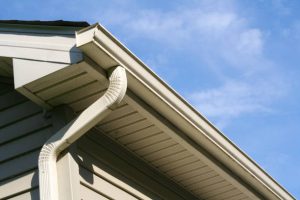
Why Basement Flooding Often Starts at the Roof
When a basement floods, most homeowners blame the obvious: cracks in the foundation, poor soil drainage, or plumbing issues. But in many cases, the real cause of water in the basement starts much higherat the roofline. Your gutter system plays a critical role in collecting and redirecting rainwater away from the base of your home. If that system fails, even slightly, water will pool around the foundation, eventually finding its way inside.
The purpose of gutters is to collect rainwater as it flows off the roof and channel it through downspouts to a safe drainage zone. But when gutters are clogged, broken, undersized, or missing altogether, water spills over the sides and lands right where you don’t want itnext to your home’s foundation. Over time, this repeated exposure saturates the soil, increases hydrostatic pressure, and opens a path for water to enter your basement.
This chain reaction can happen slowly, unnoticed for months, until a big storm pushes things over the edge. Suddenly, your carpet is soaked, your drywall is damp, and your storage boxes are ruined. It’s not just an inconvenienceit’s an expensive, preventable disaster. Understanding how gutters protect your basement is the first step in stopping water damage before it starts.
How Water Behaves Around Your Foundation
Water doesn’t need an open crack or hole to get into your basement. It simply needs time, pressure, and the wrong drainage setup. When rainwater flows directly off the roof and lands near the foundation, it begins saturating the soil. Over time, this moisture builds up against the concrete or block walls, creating what’s called hydrostatic pressure. The higher the water table rises, the more pressure it puts on your foundationand eventually, water finds a way in.
Even tiny hairline cracks or porous spots in the concrete can let water seep through under pressure. That’s why many basements flood even when the structure appears to be intact. It’s not just the presence of waterit’s the constant accumulation right outside the walls that causes the problem. And gutters, when functioning properly, are the front line of defense.
Without gutters, or with a failing gutter system, water collects exactly where it’s most dangerous: at the base of the home. And it’s not just during heavy storms. Regular rainfall, over months or seasons, can silently weaken the barrier between the exterior and your basement. The problem often reveals itself too late, when damage is already done.
Gutters Create a Controlled Water Path
The genius of a gutter system is its simplicity. Instead of letting water fall off the roof edge and hit the ground, gutters capture and guide it away from your home in a controlled, deliberate path. From the roof to the gutter, down the downspout, and out into a safe drainage zoneevery element works together to ensure water is moved far enough away to prevent flooding.
This process relies on clean, well-pitched gutters that don’t overflow during heavy rain. If water backs up in the gutters or if the downspouts are blocked, the entire system fails. Water spills over the edges, defeating the purpose and increasing the risk of basement leaks.
Equally important is where the downspouts lead. If water is simply dumped a foot from the house, it’s still dangerous. Ideally, downspouts should extend at least 4 to 6 feet away from the foundation, or even farther in areas with poor soil drainage. Some systems connect to underground pipes or French drains to carry water even farther out. The goal is always the same: move water away before it has a chance to linger.
Properly installed gutters create a clean, efficient water management strategy that works in every season. When the system is optimized, water never gets the chance to compromise your basement.
The Hidden Risk of Clogged Gutters
Even the best-designed gutter system is only as effective as its maintenance. Clogged gutters are one of the most common and avoidable reasons for basement flooding. Leaves, twigs, pine needles, roof grit, and even bird nests can block water flow, causing water to pool and spill directly over the edge.
When water escapes the gutter, it doesn’t vanishit ends up pouring into the soil along your foundation. This becomes especially dangerous during back-to-back storms, when the ground doesn’t have time to dry out between rainfalls. As the soil becomes increasingly saturated, it presses harder against your foundation walls, looking for the path of least resistance.
What makes clogged gutters especially deceptive is how quietly they fail. You may not notice a problem until you walk into a damp basement or see staining on your interior walls. That’s why routine cleaningespecially in spring and fallis essential. If your home is surrounded by trees, or if you’ve had water issues in the past, consider installing gutter guards to reduce clogs and keep water flowing freely.
Clogged gutters don’t just damage your siding and landscapingthey create a direct pipeline for water to enter your basement. Keeping them clean is one of the simplest ways to avoid costly interior damage.
Downspouts: The Critical Final Step
If gutters are the first line of defense, downspouts are the exit strategy. They’re responsible for taking the collected water and moving it far enough from your home to prevent saturation around the foundation. Yet in many cases, this final step is neglectedeither the downspout is too short, angled incorrectly, or blocked entirely.
A downspout that discharges water right at the base of your home does more harm than good. It creates a concentrated stream that erodes soil, forms puddles, and invites water to settle directly against your basement wall. The longer it sits, the more likely it is to sneak into cracks or push its way through porous concrete.
To prevent this, downspouts should extend several feet away from your house. Extensions, splash blocks, or underground drainage pipes can help ensure water is deposited in a safe areaideally on a downward slope that encourages runoff. In colder climates, it’s also important to keep these extensions clear of ice and snow buildup, which can create blockages or cause water to freeze near the foundation.
This one adjustmentproperly directing downspoutscan drastically reduce your risk of basement flooding. It’s simple, effective, and often overlooked, but it completes the job that your entire gutter system starts.
How Landscaping and Grading Interact with Gutters
Even with a perfect gutter system in place, the ground around your home plays a critical role in flood prevention. Gutters are designed to move water away from the structure, but if your landscaping slopes toward the foundationor if flower beds, sidewalks, or retaining walls trap water near your houseall that effort can be undone.
Grading refers to the slope of the soil around your home. Ideally, the ground should angle downward at least 6 inches within the first 10 feet from your foundation. This natural slope helps carry water away after it exits the downspouts. If the soil has settled over time, or if mulch, stone borders, or dense landscaping are holding moisture in place, water may continue pooling even with functioning gutters.
Pairing proper gutter discharge with well-graded soil ensures that water keeps moving. Consider extending downspouts through underground pipes that drain into a dry well or storm drain if surface flow is insufficient. Adding hardscaping like river rock beds or sloped pavers beneath downspout exits can also help dissipate water before it becomes a flooding risk.
Your landscaping should complement your drainagenot compete with it. When gutters, grading, and design work together, the result is a home that stays dry inside and beautiful outside.
The Impact of Seasonal Changes on Gutter Efficiency
Throughout the year, your gutters face different challenges, and each season brings unique risks that can contribute to basement flooding if left unchecked. In the fall, leaves and debris are the main culprits, clogging your system just before heavy winter rains or snowfall. In the winter, freeze-thaw cycles can cause ice dams, blockages, or even cracks in the gutters themselves.
Come spring, melting snow combines with seasonal rains, and if your system is still clogged or damaged, that water has nowhere to go. It overflows, saturates the ground, and seeps into the basementright as you’re trying to enjoy warmer weather. And during summer storms, intense bursts of rain can overwhelm smaller or aging gutter systems, especially if your downspouts are short or improperly placed.
That’s why seasonal inspections and maintenance are so important. A quick check of your gutters and downspouts at the start of each season helps you catch problems before they escalate. Look for sagging sections, standing water, signs of rust, or separation from the fascia. In areas with extreme weather, it’s also worth investing in heavier-duty systems or wider gutters that can handle large volumes of water without overflowing.
Basement flooding doesn’t usually come from one bad dayit’s the result of seasonal neglect adding up over time. Consistent maintenance keeps your system ready for every forecast.
Gutter Guards: A Smart Preventative Investment
For homeowners who live near trees, battle frequent clogs, or simply want peace of mind, gutter guards offer a strong line of defense. These devices sit on top of your gutters and prevent leaves, twigs, and other debris from entering the channel. By keeping water flowing freely year-round, they significantly reduce the risk of overflow and basement water intrusion.
There are several types of gutter guardsscreen, mesh, surface tension, and micro-mesheach with its own pros and cons. Micro-mesh guards are especially effective at filtering out small debris like shingle grit or pine needles, and they allow water to flow in while everything else stays out. Some premium systems also come with warranties or professional installation to ensure optimal performance.
While guards don’t eliminate the need for occasional cleaning, they dramatically cut down on maintenance. More importantly, they help maintain consistent water flow during heavy rain, when blocked gutters would otherwise allow water to spill over the sides and into the soil around your foundation.
When you weigh the cost of installing gutter guards against the cost of basement water remediation, the decision becomes clear. It’s a proactive measure that protects both your home and your sanityespecially in storm-prone regions or wooded neighborhoods.
The Cost of Ignoring Your Gutter System
Basement flooding isn’t just a nuisanceit can be financially devastating. Water-damaged drywall, soaked carpets, warped flooring, ruined furniture, and mold remediation add up fast. In many cases, insurance doesn’t fully cover flooding, especially if it’s deemed preventable through routine maintenance. That means a few overlooked clogs or loose downspouts could cost you thousands.
Even without a full flood, chronic moisture in the basement leads to long-term issues. Mold and mildew thrive in damp environments, threatening your indoor air quality and potentially causing health problems. Structural damage to wooden beams, insulation, and electrical systems can also occur silently over time, leading to expensive repairs down the line.
All of this is avoidable with a relatively small investment of time and attention. Cleaning your gutters twice a year, checking downspout flow, and addressing drainage issues before they escalate costs far less than a flooded basementand saves you from dealing with the stress, mess, and loss that water damage brings.
Your gutter system isn’t just a roof accessoryit’s a key part of your home’s protective shell. Ignore it, and you risk more than just water on the floor.
Final Thoughts: A Dry Basement Starts at the Roofline
When it comes to preventing basement flooding, your gutter system is the unsung hero. It quietly manages every drop of rain that hits your roofguiding it away, protecting your foundation, and keeping your basement dry. And yet, it’s often overlooked until water starts seeping in and the damage is already done.
A well-maintained, properly sized, and correctly directed gutter system is one of the most cost-effective and impactful ways to protect your home. From the slope of your gutters to the reach of your downspouts, every part of the system works together to stop moisture before it becomes a problem.
So if you’re dealing with basement dampness, erosion around your home, or signs of water intrusion, don’t just look at the groundlook up. Your gutters may be telling you something. Give them the attention they deserve, and they’ll return the favor by keeping your basement safe, dry, and ready for anything the weather brings.