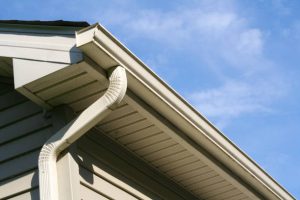
Routine Maintenance: The Key to Long-Lasting Gutters
Gutters might seem like a background feature on your home, but they perform a critical role in protecting your roof, foundation, and landscape. Their longevity depends not on luck, but on how well you take care of them over time. Routine maintenance is hands-down the most important thing you can do to extend the lifespan of your gutters. Without it, even the best gutter system will fail faster than it should.
Maintenance isn’t complicated. It starts with keeping your gutters clean. Leaves, twigs, shingle grit, and even nesting pests can clog the flow of water, creating pressure that leads to sagging, leaks, or complete detachment. When water can’t flow freely, it spills over the edges and down the side of your houseeroding soil, rotting wood, and eventually damaging your home’s foundation. A simple cleaning twice a yearin spring and fallcan prevent all of this.
But it’s not just about cleaning. During your maintenance checks, inspect the entire system for early signs of wear. Look for loose hangers, rust spots, gaps between sections, and cracks at the seams. Catching these problems early allows for quick, inexpensive fixes before they grow into costly repairs or full replacements. Gutter maintenance may feel low priority, but it pays off with every storm you endure without water damage.
Gutter Guards: A Worthwhile Investment for Protection
If you’re tired of climbing ladders or clearing out sludge multiple times a year, gutter guards might be the upgrade you need. These add-on devices cover your gutters with mesh, screens, or surface tension systems that block debris while still letting water in. They drastically reduce the frequency of cleanings and protect your gutters from one of their biggest enemies: clogs.
Gutter guards are particularly useful for homes surrounded by trees or in areas with heavy seasonal debris. Pine needles, seed pods, and leaves won’t have a chance to settle and break down in your gutters, which means less organic material sitting in your system, decomposing, and accelerating rust or mold growth. Less buildup also means less weight pulling on your bracketshelping your gutters maintain their shape and slope over time.
Though they come at an upfront cost, gutter guards are a long-term investment that not only saves you time and hassle but actively extends the life of your gutter system. Fewer clogs mean fewer backups, fewer overflows, and less moisture damage. It’s a smart way to automate protection for your home.
Proper Slope and Secure Installation
One of the most overlooked reasons gutters fail early is improper installationspecifically, poor slope. Gutters need a slight incline to help water move toward the downspouts. Without it, water pools in place, rusts the material, and stresses the joints. Over time, stagnant water will lead to sagging and leaks that could’ve been avoided with the right pitch from the start.
You don’t need a dramatic anglejust enough slope to move water efficiently. The standard is about a quarter-inch drop for every 10 feet of gutter. If your system was installed without this in mind, or if the brackets have shifted over the years, it may be time for a realignment. A simple rehang could save your gutters from early failure and spare you major repairs down the road.
In addition to slope, gutter brackets must be secure and evenly spaced. Loose brackets cause sagging, especially during heavy rain or snow. Make it a habit to check for signs of detachment, and re-tighten any loose connections. A stable, properly angled gutter system moves water better and lasts longerperiod.
Prevent Ice Dams in Winter
If you live in a cold climate, winter can be brutal on your gutters. Ice dams form when melting snow refreezes at the eaves, clogging your gutters with thick ice. This blockage prevents water from draining properly, and that trapped water can eventually back up under your shingles and into your attic. Not only is this a threat to your roof, but the weight of the ice can bend or snap gutters entirely.
The best way to prevent ice dams is by managing attic insulation and ventilation. A well-insulated attic keeps heat from escaping, which minimizes uneven melting on your roof. At the same time, properly vented attics stay cold, helping snow melt slowly and evenly. On the gutter side, ensure they’re always clear before the first snowfall. Debris left inside will only exacerbate blockages and ice buildup.
In high-risk areas, heated gutter cables or installing metal flashing beneath your shingles can offer additional protection. Winterizing your gutters doesn’t just help them survive a seasonit can be the difference between a system that lasts 5 years and one that lasts 20.
Watch for Rust and Corrosion
Metal guttersespecially steel and even some aluminum systemsare vulnerable to rust if not monitored closely. Small rust spots often start at joints, fasteners, or areas where water tends to pool. If you spot discoloration or flaking metal, don’t wait. These early signs are your gutter’s way of telling you that damage is creeping in.
To treat rust, lightly sand the affected area and apply a rust-inhibiting primer followed by a weather-resistant sealant or paint. This quick action can stop corrosion in its tracks and extend the life of the entire section. Left untreated, rust spreadseating through the metal and creating leaks or full blowouts that will cost more to repair than to prevent.
Modern aluminum gutters are often coated to resist corrosion, but even they can suffer if exposed to salt air, acid rain, or constant moisture. A visual inspection twice a year will keep you ahead of these issues and allow you to preserve your system for as long as possible.
Downspout Care: Where the Water Ends Up Matters
Downspouts are just as important as the gutters themselvesmaybe even more so. They’re responsible for directing all that collected water away from your home’s foundation. If a downspout is clogged, disconnected, or too short, water will pool right where it shouldn’t: next to your basement walls or crawl space. Over time, that causes erosion, leaks, or structural damage that no homeowner wants to deal with.
To maximize the lifespan of your gutter system, regularly inspect your downspouts. Make sure they’re securely connected to the gutters and free of blockages at the elbow jointswhere clogs most often occur. During a rainstorm, observe how water flows through the system. If it’s backing up or overflowing near the spout, there’s a good chance something needs to be cleared.
Also, make sure each downspout extends at least 4 to 6 feet away from your home. You can use extenders, splash blocks, or underground drains to achieve this. The farther the water gets from your foundation, the less likely you are to experience long-term damage. A properly functioning downspout doesn’t just preserve your homeit helps your gutter system operate smoothly, season after season.
Avoid DIY Shortcuts That Shorten Lifespan
While it’s tempting to patch gutters with duct tape or generic sealants, these shortcuts usually lead to bigger problems down the line. Temporary fixes can work in a pinch, but if you’re relying on makeshift solutions more than once, it’s time for a proper repair or upgrade. Overusing caulking, layering patch kits, or propping up sagging sections with makeshift supports will only weaken your system in the long run.
Poor repairs lead to uneven drainage, added weight from trapped water, and stress on brackets and fascia. Eventually, these areas buckle or leak under pressure. If your gutters are visibly warped, separated at joints, or rusted beyond surface treatment, replacing the damaged sections is the only way to restore the system’s full functionality.
When in doubt, bring in a professional. A licensed installer can spot issues you might miss, realign sections, or recommend cost-effective upgrades. Remember, longevity comes from doing things rightnot just doing them fast.
Don’t Ignore Signs of Trouble
Gutters have a way of telling you when they’re in distressyou just have to pay attention. Stains on your siding, pooling water near the foundation, streaks down your walls, or even unusually damp soil around your home are all signs that something isn’t working correctly. And when ignored, these red flags often lead to costly consequences.
Instead of writing off small issues as seasonal quirks, treat them like warning lights. Gutters aren’t supposed to overflow during every rainfall or make loud popping sounds under snow weight. These symptoms usually signal a clog, a misaligned pitch, or even an undersized system that needs to be reevaluated.
A fast response to these signs often results in simple fixesa resealed seam, a cleaned downspout, or a tightened bracket. But if left unresolved, those quick repairs turn into full replacements. Gutters may seem like a low-maintenance part of the house, but ignoring them is how short lifespans become inevitable.
Seasonal Adjustments That Make a Difference
Each season presents its own challenge for gutters, and adapting your maintenance accordingly can add years to their lifespan. In spring, check for winter damage like warping, sagging, or seams pulled loose by ice. Clean out any lingering debris to prepare for seasonal rains. In summer, monitor gutter stability during thunderstorms and trim back overhanging trees that can dump leaves and branches.
Come fall, clean gutters thoroughly to remove leaves and prepare for heavier precipitation. It’s also the best time to install gutter guards if you haven’t already. In winter, ensure your gutters are free of ice and snow buildupespecially if your region sees long freezes. Remove snow from the roof edge and inspect for ice dams regularly.
By syncing your gutter care with the seasons, you prevent buildup and damage before it starts. It also makes each maintenance session more effective and keeps you ahead of problems, rather than behind them.
Final Thoughts: Extend Life, Prevent Headaches
Your gutter system is only as good as the care you give it. With just a few hours of maintenance each year, you can double or even triple the lifespan of your gutters. That means fewer replacements, fewer repairs, and far less risk of water damage to your home’s foundation, roofline, or exterior walls.
The key isn’t just cleaningit’s inspecting, adjusting, protecting, and repairing with purpose. Use gutter guards to keep debris out. Fix slope and support issues early. Watch for rust, and don’t ignore warning signs when they appear. When you take a proactive approach, your gutters quietly do their job for decadeswithout complaint.
So next time you hear the rain tapping your roof, know that your gutters are handling itbecause you took the time to give them what they needed. And that kind of attention? It always pays off.