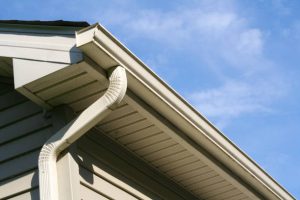
Bringing Life Back to the Gutters That Still Have More to Give
Spotting the Signs That It’s Time to Renovate
Before you can begin any renovation project, the first step is knowing when it’s time to take action. Old or rusted metal gutters may still be functional, but they’re giving off warning signs long before they fail completely. The most obvious indicators include visible rust spots, peeling paint, sagging sections, cracks at the seams, and water stains along your home’s siding or foundation. These aren’t just cosmetic issuesthey’re early symptoms of gutter systems that are losing their ability to direct water effectively.
Gutters are designed to handle thousands of gallons of rainwater each year. But over time, constant exposure to water, leaves, and environmental grime wears down the protective coating on metal, especially galvanized steel or aluminum. Once that coating is breached, rust begins to spread, and the metal weakens. You may notice screws no longer holding tightly, or worse, parts of the gutter starting to pull away from the fascia board. At that point, you’re not just risking overflow; you’re potentially facing damage to your roofing, landscaping, or foundation.
Recognizing these problems early is key. Renovation isn’t always about ripping everything downit’s about restoring what can be saved. If you catch rust in its early stages and the structure is still intact, there’s a lot you can do to bring those gutters back to life and give them several more years of service.
Cleaning Thoroughly Before Any Repairs
No matter how eager you are to slap on a sealant or paint, you can’t properly renovate rusted metal gutters without a thorough cleaning. Dirt, moss, decaying leaves, and mildew must be completely removed before any repair or protective treatment is applied. Otherwise, your hard work will be undermined by grime that keeps deteriorating underneath your repairs.
Start by scooping out all debris with a gloved hand or gutter scoop, then flush the gutters with water to clear out any remaining residue. Next, mix a cleaning solution of warm water and dish soap or use a diluted bleach solution for areas with mold. Scrub the interior and exterior surfaces with a stiff-bristled brush to lift out embedded stains and corrosion.
For rust patches, you’ll need to take things a step further. Using a wire brush or steel wool, carefully scrub away all the rust until only clean, bare metal remains. If you skip this step, any new paint or sealant will eventually bubble and peel off. Once all the cleaning is done, rinse the gutters thoroughly and let them dry completely. Cleaning may be time-consuming, but it’s what separates a temporary patch job from a true renovation.
Sealing Joints and Repairing Small Holes
Once your gutters are clean and dry, it’s time to address one of the most common issues with aging systems: leaking seams and holes. Old metal gutters often develop leaks at the joints where sections connect, especially if the original sealant has dried out or separated due to temperature fluctuations and metal contraction.
To reseal these joints, use a high-quality gutter sealantideally one that is waterproof, flexible, and designed to adhere to metal. Apply the sealant generously along the seams inside the gutter, pressing it into any visible cracks. For best results, let the sealant cure for at least 24 hours before exposing it to water.
If your gutters have small holesusually caused by rust eating through the metalyou have a couple of options. For minor punctures (less than a quarter-inch), a metal patch and sealant combination can work wonders. Cut a small piece of aluminum flashing, apply roofing cement or gutter sealant around the hole, and press the patch firmly into place. Smooth the edges and seal over the patch completely.
Larger holes may require a more aggressive approach. You might need to replace a section of the gutter or use an aluminum repair kit with rivets or sheet metal screws to ensure it holds firm. These steps may seem minor, but repairing leaks is crucial for preventing future water damage and preserving the strength of the system.
Rust Conversion and Priming for a Fresh Surface
With the repairs made, you now have a chance to protect your gutters from future rust. That begins with neutralizing any remaining corrosion. Even after scrubbing, microscopic rust particles may still linger, and if they’re not treated, the rust will return.
This is where a rust converter comes in. It’s a special chemical formula that reacts with iron oxide (rust) and transforms it into a stable compound. Spray or brush it onto the cleaned, dry metal surfaces, especially around seams, corners, and any area previously affected by corrosion. Let it dry as instructed, and you’ll have a chemically-stabilized surface ready for priming.
Priming is essential before painting metal gutters. It helps the paint bond to the surface and prevents moisture penetration. Use an exterior-grade metal primer that resists rust and can expand and contract with temperature changes. Apply one even coat and allow it to dry thoroughly before moving on to painting. If your gutters were previously painted and you’re working with bare or exposed metal, priming is non-negotiable. It sets the stage for the paint job to last for yearsnot just months.
Painting for Protection and a Fresh Look
After all the structural and surface preparation work, painting becomes more than just a cosmetic choiceit’s a layer of long-term protection. A fresh coat of paint not only gives old, rusted gutters a new lease on life but also acts as a shield against future moisture and UV damage.
When selecting paint, go with an oil-based or 100% acrylic exterior paint formulated for metal. These paints are designed to adhere well, expand and contract with temperature swings, and resist chipping or flaking. Avoid interior paints or latex optionsthey won’t hold up in outdoor conditions.
Apply two coats for the best coverage and longevity. You can use a brush, roller, or paint sprayer depending on your comfort level and the accessibility of your gutters. Take your time with edges and corners, making sure every inch is covered. Allow the first coat to dry completely before applying the second.
Once painted, the gutters not only look cleanerthey’re also better equipped to stand up to the elements for years to come. Plus, matching the gutter color to your home’s trim or roofline adds a polished aesthetic that boosts curb appeal.
Reinforcing Attachments and Slope Alignment
While appearance and watertightness are important, don’t forget the mechanical stability of the gutter system. As metal ages and rust eats away at its strength, attachments can loosen, and the slope that allows water to drain correctly may get thrown off.
Inspect every bracket, hanger, and screw. If you find rusted screws or sagging hangers, replace them with galvanized or stainless-steel hardware designed to resist corrosion. Tighten every attachment point to make sure the gutters are firmly secured to the fascia board. If your gutters seem to dip in the middle or pool water after a storm, you may need to realign the slope.
The standard rule is a ¼-inch drop for every 10 feet of gutter toward the downspout. Use a level and chalk line to mark the correct slope. If necessary, reposition the hangers or add new ones to maintain consistent drainage.
Water that doesn’t drain properly sits inside the gutter, accelerating rust and adding unnecessary weight. Keeping the slope aligned and attachments reinforced not only extends the life of your guttersit keeps your whole water management system working efficiently.
Addressing Downspouts and Drainage Extensions
A fully renovated gutter isn’t complete if the downspouts and drainage extensions are still outdated or in poor shape. Metal downspouts can rust just like gutters, and if they’re clogged, damaged, or poorly positioned, they won’t redirect water away from your foundation effectively.
Check each downspout for blockages, cracks, or signs of corrosion. Use a hose to flush them out and remove any debris. If needed, detach and clean the downspout from both ends, or replace it entirely if rust is widespread.
Also, assess where your downspouts are directing water. If they simply dump water at the base of your home, you’re risking foundation damage or basement leaks. Install or replace splash blocks and consider flexible extensions that redirect water at least four to six feet away from your house.
A gutter system is only as good as its exit strategy. Ensuring clean, functional downspouts and proper drainage completes the renovation loop and protects your home from top to bottom.
Preventive Maintenance to Extend the Renovation’s Life
You’ve put in the worknow it’s time to keep your renovation intact with regular maintenance. Set a schedule to clean your gutters at least twice a year, ideally in spring and fall. If you live near trees, you may need to clean more often to prevent clogs and standing water.
Inspect the gutter system after major storms, checking for loose brackets, leaks, or any new signs of rust. Touch up paint as needed and reapply sealant at joints every few years. If you’re in a snow-prone area, consider adding gutter guards or heat cables to reduce ice buildup, which can accelerate damage.
Ongoing attention ensures you won’t have to go through another full renovation anytime soon. Instead of waiting for problems to return, a proactive approach will keep your gutters strong and good-looking year-round.
Final Thoughts: Give Old Metal Gutters a New Lease on Life
Old or rusted metal gutters aren’t necessarily a lost cause. With the right stepscleaning, repairing, priming, painting, and reinforcingyou can extend their life, improve their function, and even enhance your home’s curb appeal. Renovation is often more cost-effective than full replacement and can deliver years of reliable performance if done properly.
Whether you’re a DIY homeowner or hiring a contractor, taking the time to restore your existing system is a smart investment. Metal gutters were built to lastand with your effort, they’ll keep doing their job for years to come.