Homeownership is a dreamuntil the roof leaks, the HVAC wheezes, or a pipe bursts and your savings account takes a nosedive. If you’ve ever stared at a $5,000 repair bill wondering where it all went wrong, you’re not alone. The National Association of Home Builders says the average homeowner spends 1-4% of their home’s value on maintenance yearlyyet most of that could be slashed with a little foresight. Preventive home maintenance isn’t just a chore; it’s your financial superhero. In this guide, we’ll unpack why staying ahead of repairs saves you thousands, protects your investment, and keeps your sanity intact. Ready to stop playing catch-up with your house? Let’s get into it.
The Hidden Cost of Neglect
Picture this: a tiny crack in your foundation goes unnoticed. Rain seeps in, mold creeps up, and suddenly you’re shelling out $10,000 for a fix that could’ve cost $200 to patch early. That’s the brutal truth of neglect. The HomeAdvisor True Cost Report pegs average emergency repairslike burst pipes or roof failuresat $1,000-$7,000 a pop. Compare that to routine upkeep: a $50 gutter cleaning or a $100 HVAC tune-up. The math doesn’t liesmall actions now beat big disasters later.
Neglect doesn’t just hit your wallet; it tanks your home’s value. A 2024 Zillow study found that well-maintained homes sell for 5-10% more than fixer-uppers. Buyers smell desperation when they see peeling paint or a shaky deck. Preventive care keeps your curb appeal sharp and your resale dreams alive. Why gamble thousands on I’ll deal with it later when you can save now?
Time: Your Secret Weapon
Here’s the kicker: maintenance isn’t about money aloneit’s about timing. Catch a loose shingle before it’s a hole, and you’re out $20 for a ladder and some sealant. Let it slide, and you’re staring at water damage, insulation rot, and a roofing crew charging $15,000. The U.S. Department of Energy says a neglected HVAC system loses 5% efficiency yearlycranking your bills while it gasps for air. A quick filter swap or duct check? Pennies by comparison.
Think of your home like a car. Skip oil changes, and the engine seizes. Ignore your house, and the breakdowns pile up. Time spent nowwhether it’s caulking windows or flushing your water heaterbuys you years of peace. And who doesn’t want fewer oh crap moments?
What’s Ahead
This is just the warm-up. We’ll dig into must-do maintenance tasks that save the most cash, from roof checks to plumbing hacks. Then, we’ll break down how to build a foolproof maintenance plan without losing your weekends. By the end, you’ll see why proactive beats reactive every timeand have the tools to prove it. Your home (and your bank account) will thank you. Stick aroundthe next section’s coming up fast!
We’ve established that neglect is a budget buster and timing is your ally. Now, let’s get practical. What are the must-do maintenance tasks that deliver the biggest bang for your buck? These aren’t glamorousnobody’s throwing a party for gutter cleaningbut they’re the unsung heroes that keep your home humming and your wallet happy. From roof to basement, here’s where to focus to save thousands down the line.
Roof and Gutters: Your First Line of Defense
Your roof takes a beatingsun, rain, wind, the occasional rogue branch. A small leak might seem like no big deal, but water is sneaky. It rots wood, ruins insulation, and invites mold faster than you can say emergency contractor. A full roof replacement can run $10,000-$20,000, depending on size and materials. Compare that to an annual inspectionabout $200and spot repairs like sealing a shingle for under $50.
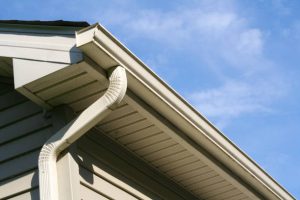
Gutters are the sidekick you can’t ignore. Clogged ones spill water down your walls, cracking foundations and flooding basements. Cleaning them twice a year (spring and fall) costs $100-$300 if you hire out, or just your time with a ladder and gloves. Skip it, and you’re looking at $2,000+ for foundation fixes. Grab a hose, flush those suckers, and sleep easy knowing you’ve dodged a pricey bullet.
HVAC: Don’t Let It Choke
Your heating and cooling system isn’t cheapreplacing it can hit $5,000-$12,000. Yet, it’s the backbone of comfort. A dirty filter or neglected tune-up forces it to work harder, spiking energy bills and shortening its life. Swap filters every 1-3 months ($10-$20 a pop) and schedule a pro check yearly ($100-$150). You’ll cut energy costs by up to 15%, per the U.S. Department of Energy, and avoid the dread of a midwinter breakdown. A little love keeps it purring, not gasping.
Plumbing: Stop Drips Before They Drown You
A dripping faucet wastes 3,000 gallons a yearannoying but fixable for $5 in washers. Ignore it, and you’re flirting with pipe corrosion or a burst that floods your kitchen. Water damage repairs average $3,000-$8,000, and that’s before mold remediation kicks in at $500-$6,000. Check faucets, toilets, and exposed pipes monthly. Look for leaks, tighten fittings, and insulate pipes in winter for a few bucks. A $20 water heater flush every year prevents sediment buildup, extending its life past the usual 10-year mark. Dry floors, fat savingswin-win.
Exterior: Paint and Seal the Deal
Peeling paint isn’t just uglyit leaves wood exposed to rot and pests. Repainting a house costs $3,000-$7,000, but a $300 touch-up every few years keeps it fresh and protective. Same goes for caulking windows and doors$10 in supplies seals drafts, saving 10-20% on heating bills. Termites and carpenter ants love neglected siding; a quick walkaround with a $15 can of sealant stops them cold. Your exterior’s your shieldkeep it strong.
The Bottom Line
These tasks aren’t sexy, but they’re money in the bank. A few hours and a couple hundred bucks now can dodge five-figure disasters later. Next up, we’ll craft a maintenance plan that fits your lifeno overwhelm, just results. Your home’s about to become a fortress of savingsstay tuned!
You’ve got the why and the whatneglect costs a fortune, and key tasks like roof checks and plumbing tweaks save you big. But how do you turn that into action without feeling like your house owns you? This is where a solid maintenance plan comes in. No need to quit your day job or live with a toolbox strapped to your hip. We’re building a simple, seasonal strategy that keeps your home tight and your bank account intact. Let’s break it down.
Spring: Wake Up Your Home
After winter’s hibernation, spring is your reset button. Start outsidegrab a ladder and inspect your roof for loose shingles or cracked flashing. A $20 tube of roofing caulk fixes most minor woes; spot them now before summer storms turn them into nightmares. Clear gutters of leaves and gunk$50 for a scoop tool or a pro’s quick visit keeps water flowing where it should.
Inside, swap your HVAC filter ($10-$20) and book a pro tune-up ($100-$150) to prep for AC season. Test smoke detectors and carbon monoxide alarmsnew batteries are $5 and a literal lifesaver. Open windows and check seals; a $10 caulk gun refreshes drafty spots. Total time? A weekend. Total cost? Under $200. Compare that to a $6,000 AC replacement or a fire hazardpocket change.
Summer: Beat the Heat
Summer’s lazy days are perfect for low-effort wins. Walk your exterior with a $15 can of wood sealanthit decks, fences, and siding to fend off rot and bugs. Touch up paint where it’s peeling; a $30 quart covers small patches and keeps moisture out. Check your basement or crawlspace for dampness$100 for a dehumidifier prevents mold’s $5,000 revenge.
Flush your water heater ($20 kit) to ditch sediment and extend its life. Peek at faucets and toilets for drips; a $5 washer stops water waste fast. This is light workspread it over a few evenings, and you’re golden. Savings? Thousands if you dodge a rotted deck or a dead heater.
Fall: Batten Down the Hatches
Pre-winter prep is clutch. Clean gutters againfall leaves are relentless, and icy backups wreck foundations. Inspect your chimney if you’ve got one; a $200 sweep beats a $10,000 fire repair. Seal windows and doors with $10 weatherstrippingyour heating bill drops 10-20%.
Test your furnace and replace its filter ($10-$20). Bleeding radiators (free with a $5 key) boosts efficiency if you’ve got them. Insulate exposed pipes with $15 foam sleeves to avoid a $3,000 burst. A day’s work, $100 max, and you’re cozy all winter.
Winter: Monitor and Maintain
Indoor focus rules the cold months. Watch for leaks under sinks$5 in plumber’s tape fixes most. Run a humidifier ($50) to ease dry air and protect wood floors from cracking ($1,000+ to refinish). Check attic insulation; a $100 roll tops it up, saving hundreds on heat. Quick, cheap, done.
Make It Stick
Grab a calendardigital or paperand mark these tasks. Set phone reminders. Keep a $20 toolkit (screwdriver, caulk gun, wrench) handy. Can’t DIY? Budget $500 yearly for prosit’s still a steal. Consistency turns pennies into thousands saved. Next, we’ll wrap this up with real numbers and a pep talkyour home’s future is looking bright!
You’ve got the tasks and a seasonal playbook to stay ahead. Now, let’s talk real numbers and real lifehow does this all add up, and what does it mean for you? Preventive maintenance isn’t just about dodging disasters; it’s about stacking wins that ripple through your finances, your home’s value, and your peace of mind. We’re tying it together with proof and a push to get started. Your wallet’s about to thank you.
The Numbers Don’t Lie
Let’s crunch it. Say you spend $500 a year on preventive basicsgutter cleanings ($200), HVAC tune-ups ($150), caulk and sealant ($50), filters and small fixes ($100). Sounds like a chunk, right? Now stack that against reactive repairs. A new roof from ignored leaks: $15,000. HVAC replacement from skipped maintenance: $8,000. Water damage from a burst pipe: $5,000. That’s $28,000 in potential painversus $500 to sidestep it all. Even if you hit just one of those every decade, you’re still thousands ahead.
Energy savings pile on. Weatherstripping and insulation cut heating and cooling costs by 10-20%that’s $200-$400 yearly on a $2,000 average bill. A tuned-up HVAC runs 15% leaner, saving another $100. Over five years, you’re pocketing $1,500-$2,500 while your home hums. Maintenance isn’t an expenseit’s an investment with a fat return.
Value That Lasts
Your home’s more than a roof over your head; it’s your biggest asset. A 2024 Realtor.com report says buyers pay 7% more for move-in-ready homeson a $300,000 house, that’s $21,000. Peeling paint, cracked foundations, or a dated HVAC screams money pit and slashes offers. Regular carethose $30 paint touch-ups, $15 pipe sleeves, $200 roof checkskeeps it pristine. Selling or not, you’re sitting on equity, not a liability.
Insurance loves it too. Many providers cut premiums 5-10% for well-maintained homes$50-$200 off a $1,000 policy. Filing fewer claims (bye, water damage) keeps rates low. It’s a quiet cash grab you’ll wish you’d tapped sooner.
Beyond the Benjamins
Money’s the headline, but the perks run deeper. A home that doesn’t spring leaks or conk out mid-blizzard is less stress on your plate. No panic calls to plumbers at 2 a.m., no scrambling for emergency funds. You’re in control sipping coffee while your neighbor’s cursing a flooded basement. Plus, a sharp-looking place boosts pride. Invite friends over without a frantic pre-cleanyour home’s ready to flex.
Your Move: Start Small, Win Big
Don’t overhaul everything tomorrowease in. Pick one task this week: check a faucet, seal a window, swap a filter. Spend $20 and an hour. Feel that win. Next month, tackle gutters or book an HVAC pro. Build the habit, watch the savings stack. You’re not fixing a houseyou’re future-proofing your life.
This isn’t rocket science; it’s common sense with compound interest. A little effort now snowballs into thousands saved, a home that holds value, and a vibe that’s all yours. The tools are heregrab them and run.
You’ve seen the numbers, the tasks, and the planpreventive maintenance is your ticket to dodging financial headaches and keeping your home in fighting shape. From $20 fixes that save $20,000 repairs to a seasonal rhythm that fits your life, you’re armed with everything you need. Let’s close this out with a clear-eyed look at why this matters and a kick to get you moving. Your home’s ready to reward youlet’s cash in.
The Long Game Pays Off
Think of your home as a teammate. Treat it right, and it’s got your backsaving you cash, holding its value, and sparing you stress. A $200 gutter clean today skips a $5,000 foundation fix tomorrow. A $100 HVAC tune-up dodges an $8,000 replacement. That’s not pocket changethat’s vacations, emergency funds, or a kitchen upgrade you actually want. The HomeAdvisor True Cost Report says 75% of big-ticket repairs tie back to skipped upkeep. You’re not just maintaining a house; you’re building a buffer.
It’s not all about disasters, either. A tight, efficient home slashes energy billshundreds yearly that stay in your pocket. A sharp exterior and solid systems boost resale value by thousands, whether you sell next year or never. Even your insurance chips in with lower rates. This isn’t a chore list; it’s a wealth strategy disguised as a ladder and a caulk gun.
No More Excuses
I don’t have time doesn’t fly10 minutes to check a faucet or an hour on gutters fits any schedule. I’m not handy? You don’t need to be. A $5 washer or a $50 pro call handles most of it. It’s too expensive? Flip that$500 a year on prevention beats $10,000 on reaction every time. You’re not too busy or broke to save thousandsyou’re too smart not to.
The Final Push: Own It
Start today. Walk your house, spot one thinga drip, a loose shingle, a dusty filterand fix it. Spend $20, feel the win. Next week, pick another. Set a reminder for that HVAC check or gutter sweep. You don’t need a grand overhauljust momentum. Every task is a brick in your fortress of savings. A year from now, you’ll have a tighter home, a fatter wallet, and zero regrets.
This isn’t about perfectionit’s about power. Power to skip the panic of a midnight leak. Power to keep your home’s value climbing. Power to live better without breaking the bank. You’ve got the why (thousands saved), the what (key tasks), and the how (a simple plan). Now it’s on you. Grab a screwdriver, a ladder, or your phone to book a pro. Your home’s begging for itand your future self’s already cheering.