Buying a home is a rollercoasterexhilaration, paperwork, and a dash of what have I gotten myself into? Somewhere between the offer and the closing table comes the home inspection, a make-or-break moment that can either calm your nerves or send you sprinting for the hills. Whether you’re a first-time buyer or a seasoned homeowner, knowing what to expect during a home inspection is key to staying in control.
Spoiler: It’s not just a guy with a clipboard poking around your dream house. A home inspection is a deep dive into the property’s healthroof to foundationand it’s your chance to spot dealbreakers before you sign your life away. In this step-by-step guide, we’ll walk you through the process, demystify what happens, and arm you with tips to make the most of it. Ready to peek behind the walls? Let’s go.
Why Home Inspections Matter (And Why You Should Care)
Before we get into the nitty-gritty, let’s set the stage. A home inspection isn’t just a formalityit’s your safety net. Here’s why it’s a big deal:
- Uncovers Hidden Issues: That charming fixer-upper might be hiding termites, leaky pipes, or a crumbling chimney.
- Saves Money: Spotting problems now can prevent costly repairs lateror give you leverage to negotiate.
- Peace of Mind: Knowing the house’s true condition lets you buy (or walk away) with confidence.
Typically scheduled after your offer’s accepted but before closing, the inspection’s your last chance to dig into the property’s bones. So, what happens when the inspector shows up? Let’s break it down, step by step.
Step 1: Scheduling the Inspection
The process kicks off once your offer’s in and the seller says yes (pending contingencies, of course). Here’s how it starts:
Picking an Inspector
- Go Pro: Hire a certified inspectorlook for credentials like ASHI (American Society of Home Inspectors) or InterNACHI membership.
- Ask Around: Get referrals from your realtor, friends, or online reviews. A good inspector’s worth their weight in gold.
- Book Early: Inspections usually happen within 7-10 days of an accepted offer, so don’t dawdlepopular inspectors fill up fast.
Setting the Date
You’ll coordinate with the seller (via agents) to pick a time. Most inspections take 2-4 hours, depending on the home’s size and age. Pro tip: Clear your schedule to attendyou’ll want to see this firsthand.
Cost Check
Expect to pay $300-$500, though prices climb for bigger or older homes. It’s a small price for dodging a money pit.
Step 2: The Inspector Arrives
Inspection day is here! The inspector rolls upusually solowith a toolkit and a keen eye. You might be tempted to hover, but give them space to work their magic. Here’s what they’re prepping for:
- Exterior Walkaround: They’ll scan the outsideroof, siding, windows, gradingbefore heading in.
- Gear Up: Flashlights, ladders, moisture meters, and maybe a thermal camera. They’re ready to dig deep.
- Your Role: Introduce yourself, share any concerns (e.g., The basement smelled damp when I toured), then step back.
Step 3: The Exterior Inspection
First stop: the outside. The inspector’s hunting for issues that could spell trouble down the road. They’ll check:
- Roof: Missing shingles, leaks, or chimney damage. They might climb up or use binoculars for steep pitches.
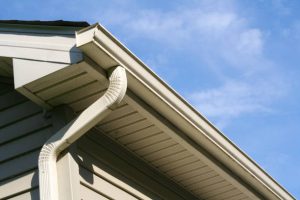
- Gutters and Drainage: Clogged gutters or poor grading can flood your basement.
- Siding and Paint: Cracks, rot, or peeling signal maintenance woes.
- Windows and Doors: Faulty seals or frames mean energy lossor worse, water intrusion.
- Foundation: Cracks or shifts could hint at structural nightmares.
This sets the toneif the exterior’s a mess, the inside might follow suit.
Step 4: The Interior Deep Dive
Next, they head indoors, room by room, system by system. This is where the real detective work happens. Here’s what they scrutinize:
Structural Stuff
- Walls and Ceilings: Cracks, bowing, or water stains could mean settling or leaks.
- Floors: Squeaks or slopes might point to foundation shifts or subfloor rot.
- Attic: Insulation, ventilation, and signs of critters or mold get a close look.
Major Systems
- Electrical: They’ll test outlets, check the panel, and flag outdated wiring (hello, knob-and-tube).
- Plumbing: Leaky pipes, low pressure, or ancient galvanized lines get called out.
- HVAC: Furnace, AC, and ducts are tested for efficiency and safetycarbon monoxide risks are no joke.
The Wet Zones
- Kitchen: Appliances, sinks, and pipes are checked for function and leaks.
- Bathrooms: Toilets, showers, and drains get a workoutslow drainage could mean clogs or worse.
- Basement/Crawlspace: Dampness, mold, or cracks signal water woes or structural stress.
They’re not tearing walls open, but they’ll spot what’s visibleand what’s suspicious.
Step 5: Testing and Tweaking
This is the hands-on part. The inspector doesn’t just lookthey poke, prod, and test:
- Flip switches, run faucets, and flush toilets to see what holds up.
- Open the furnace or peek in the water heater to gauge age and condition.
- Climb into the attic or crawlspace (if accessible) for a firsthand view.
If something’s fishylike a flickering light or a musty smellthey’ll note it and suggest further investigation (e.g., Call an electrician).
Step 6: The Wrap-Up Chat
After scouring every nook and crannyfrom the attic’s dusty rafters to the basement’s shadowy cornersthe inspector pulls you aside for a quick huddle. This isn’t the polished report yet; it’s a candid, on-the-spot debrief to give you the lay of the land.
They’ll highlight Big Wins: The roof’s in great shape, and that HVAC system’s practically brand newscore! Then, they’ll flag
Red Flags: That basement leak? It’s dripping badyou’ll need a pro to tackle it ASAP. For trickier issues, they’ll toss out
Next Steps: That weird foundation crack might need a structural engineer to weigh in. This is your momentask away! Is that wall crack a dealbreaker? Can I DIY the plumbing fix, or am I dreaming? They’re there to break it down, not freak you out. Lean in, listen up, and get the clarity you need before the full report lands.
Step 7: The Report Drops
Within 24-48 hours, you’ll get the official reportusually a 20-50-page PDF with photos and notes. It’s split into:
- Summary: The highlights (good and bad).
- Detailed Findings: Room-by-room breakdowns with pics of issues like cracked tiles or rusty pipes.
- Recommendations: Fix it now, monitor it, or call a specialist.
Read it cover to coverit’s your roadmap for negotiations or repairs.
What Happens Next?
The inspection’s donenow what? You’ve got options:
Everything’s Golden
If the report’s clean (rare, but it happens), congrats! Proceed to closing with confidence.
Minor Hiccups
Small stufflike a sticky window or loose outletis no biggie. You might fix it later or ask the seller for a credit.
Dealbreakers
Major issueslike a failing foundation or mold infestationchange the game. You can:
- Negotiate: Ask the seller to fix it or cut the price.
- Walk Away: If it’s a disaster, use your inspection contingency to bail (and get your earnest money back).
Tips to Ace Your Home Inspection
Make the most of this process with these pro moves:
- Attend It: Seeing issues live beats reading about them later.
- Prep the House: Ask the seller to clear clutter and unlock access points (attic, crawlspace).
- Bring a Notebook: Jot down questions or concerns as you go.
- Don’t Panic: Most homes have flawsfocus on what’s fixable vs. fatal.
Common Surprises (And How to Handle Them)
No house is perfectevery inspection turns up something, and that’s okay. Here’s a rundown of common surprises you might encounter, plus practical steps to tackle them without losing your cool.
- Old Wiring: If the inspector flags knob-and-tube or aluminum wiring, don’t panicthese outdated systems were once standard but can be fire hazards today. Budget for an electrical upgrade; it’s a smart investment for safety and resale value.
- Water Damage: Spotting stains on ceilings, soft spots in walls, or a musty basement vibe? These scream leaks. Don’t just slap paint over ittrace the source, whether it’s a dripping pipe or a roof gap, and get it fixed before mold moves in.
- Pest Problems: Termite trails in the beams or mouse droppings in the crawlspace? Yikes. Call an exterminator fast to assess the damage and stop the invasion before it chews through your equity. Surprises happenhandling them right keeps your dream home on track.
The Bottom Line: Knowledge Is Power
A home inspection isn’t about chasing some unattainable vision of a flawless houseit’s about cutting through the fog and getting real clarity. When it’s over, you’ll have the full scoop on what you’re stepping into: a cozy nest ready for move-in day, a fixer-upper brimming with potential (and a to-do list), or a hard pass that’s more trouble than it’s worth. This isn’t just a checkbox on your homebuying journey; it’s your chance to peel back the curtains and see the truthwarts and all. With this step-by-step guide in your back pocket, you’ll stride into inspection day like a seasoned procalm under pressure, curious about the details, and armed with the right questions to dig deeper. You’re not just a bystander; you’re the one calling the shots, ready to spot red flags or celebrate hidden wins. So, when that inspector rolls up with their flashlight and clipboard, don’t let nerves take over. You’ve got this in the bag. Your dream home’s out there, waiting to welcome youand now you’ve got the tools to decide if it’s truly worth the leap. Knowledge isn’t just power; it’s your ticket to confidence.