Owning a home is one of life’s greatest investments, but it also comes with its fair share of responsibilities. A well-maintained home isn’t just about aestheticsit’s about protecting your property, avoiding costly repairs, and ensuring everything runs smoothly year-round. Yet, many homeowners fall into the trap of neglecting regular maintenance, only to be hit with unexpected breakdowns and hefty repair bills.
The good news? Keeping up with home maintenance doesn’t have to be overwhelming. With the right checklist in place, you can stay ahead of issues, save money, and keep your home in peak condition without the stress. This guide provides a step-by-step breakdown of essential maintenance tasks, organized by season and frequency, so you can tackle them with ease. Whether you’re a first-time homeowner or a seasoned pro, this ultimate checklist will help you stay proactive and avoid the headaches of unexpected home issues.
Let’s dive in and start checking off the tasks that will keep your home safe, efficient, and well-maintained!
Seasonal Home Maintenance Tasks
Every season brings different challenges for homeowners, and staying ahead of them can prevent small issues from turning into costly repairs. A well-planned seasonal maintenance routine helps keep your home efficient, safe, and comfortable throughout the year. Here’s what you should focus on each season.
Spring: Refresh and Inspect
As winter fades, spring is the perfect time to inspect and refresh your home after months of harsh weather. Start with your roofcheck for missing or damaged shingles that could lead to leaks. Clean out gutters and downspouts to prevent water buildup, which can damage your foundation. Inspect windows and doors for cracks or gaps that need sealing to keep energy bills low. This is also the season to service your air conditioning unit before summer heat kicks in.
Summer: Outdoor Care and Efficiency Checks
With warmer temperatures and longer days, summer is ideal for tackling outdoor maintenance. Power wash your siding, driveway, and decks to remove dirt and grime buildup. Check for pest infestations, as insects and rodents tend to be more active in warm weather. Trim trees and shrubs, especially those close to your home, to prevent overgrowth and potential storm damage. Inside, test ceiling fans and ensure they’re set to spin counterclockwise to keep rooms cooler and reduce AC usage.
Fall: Prepare for the Cold
Fall is all about prepping your home for colder temperatures. Start by servicing your heating system to ensure it runs efficiently. Clean and inspect the chimney if you use a fireplace. Check for drafts around windows and doorssealing them now can save you money on heating bills. Clear leaves from gutters and downspouts to prevent ice blockages in winter. This is also a great time to drain and store garden hoses and shut off outdoor faucets to prevent freezing pipes.
Winter: Protect and Monitor
Winter requires homeowners to focus on protection. Insulate exposed pipes to prevent freezing and potential bursts. Test smoke and carbon monoxide detectors since heating systems and fireplaces are in full use. Keep an eye on ice dams forming on your roof, which can cause leaks. If you experience heavy snowfall, regularly remove snow buildup from roofs and walkways to prevent structural damage and accidents.
By following these seasonal tasks, you can maintain your home’s value, prevent costly issues, and enjoy peace of mind all year long.
Monthly & Quarterly Must-Do Home Maintenance Tasks
While seasonal maintenance helps prepare your home for changing weather, some tasks should be done more frequently to keep everything running smoothly. Monthly and quarterly checkups can prevent minor issues from turning into costly repairs. Here’s what you should focus on to maintain a safe, efficient, and comfortable home throughout the year.
Monthly Home Maintenance Tasks
Consistency is key when it comes to home upkeep. These quick monthly tasks can save you time and money in the long run:
Test Smoke and Carbon Monoxide Detectors: Press the test button to ensure these life-saving devices are functioning properly. Change the batteries if needed.
Inspect HVAC Filters: Dirty filters reduce efficiency and air quality. Check them every month and replace them as neededusually every 1-3 months.
Check for Plumbing Leaks: Look under sinks and around toilets for any signs of leaks. Catching small drips early can prevent major water damage.
Clean Garbage Disposal: Run a mixture of ice cubes, baking soda, and vinegar through the disposal to keep it fresh and free of buildup.
Inspect Fire Extinguishers: Ensure they are easily accessible, fully charged, and not expired.
Quarterly Home Maintenance Tasks
Every three months, set aside time to tackle these slightly more involved tasks:
Test GFCI Outlets: Press the test and reset buttons on ground-fault circuit interrupter outlets, typically found in kitchens and bathrooms, to ensure they’re working properly.
Flush Water Heater: Sediment buildup can reduce efficiency and lead to costly repairs. Draining a few gallons from the tank every three months helps extend its lifespan.
Check for Pest Activity: Inspect your home for signs of rodents, termites, or other pests. Addressing issues early can prevent serious infestations.
Deep Clean Major Appliances: Wipe down the fridge coils, clean the oven, and check dryer vents for lint buildup, which can be a fire hazard.
Inspect Exterior Drainage: Walk around your property and check for areas where water pools. Address drainage issues to prevent foundation damage.
By sticking to this monthly and quarterly routine, you can prevent minor maintenance issues from turning into expensive problems, ensuring your home stays in excellent condition all year round.
Annual Home Maintenance Tasks That Shouldn’t Be Ignored
Some home maintenance tasks don’t need to be done every month, but that doesn’t mean they should be forgotten. Performing annual maintenance can prevent major breakdowns, improve energy efficiency, and extend the lifespan of your home’s essential systems. Here are the most critical yearly tasks every homeowner should prioritize.
Roof and Foundation Inspection
Your roof and foundation are your home’s first line of defense against the elements. Each year, conduct a thorough inspection to catch potential issues early. Look for missing or damaged shingles, sagging areas, or signs of water leaks in the attic. For the foundation, check for cracks or gaps that could lead to structural issues. Addressing these problems early can prevent costly repairs down the road.
Gutter and Drainage System Cleaning
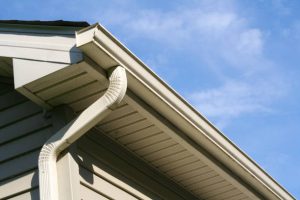
Even if you clear your gutters seasonally, an annual deep clean ensures they remain free of buildup. Clogged gutters can lead to water damage, foundation issues, and even pest infestations. Flush out downspouts with a hose to confirm proper drainage and make sure water is being directed away from your home’s foundation.
HVAC System Servicing
Your heating and cooling system works hard throughout the year. A professional inspection and tune-up can improve efficiency, reduce energy bills, and prevent unexpected breakdowns. During the servicing, technicians clean components, check for worn-out parts, and ensure everything is operating safely. Replacing air filters and checking refrigerant levels can also extend the lifespan of your HVAC system.
Electrical System Checkup
Electrical issues can pose serious safety risks, including fires. An annual inspection by an electrician can help catch potential problems early. Look for outdated wiring, flickering lights, or frequently tripped circuit breakers. Testing all outlets and ensuring your home’s electrical panel is up to code can prevent hazardous situations.
Deep Cleaning and Appliance Maintenance
Once a year, give your home a deep clean. This includes shampooing carpets, scrubbing tile grout, and cleaning behind large appliances. Major appliances like the refrigerator, washer, and dryer should also be inspected for wear and tear. Clearing out dryer vents, checking water supply lines for leaks, and descaling your water heater can keep everything running efficiently.
By staying on top of these annual tasks, you can protect your home’s value, improve its safety, and prevent unexpected repair costs, making homeownership a lot less stressful.
Money-Saving Tips for Effective Home Maintenance
Home maintenance can feel like a never-ending task, but the good news is that it doesn’t have to break the bank. A smart, proactive approach can help you save thousands of dollars in costly repairs while keeping your home in top shape. Here are some practical strategies to maintain your home efficiently without overspending.
DIY vs. Hiring a Professional When to Do It Yourself
One of the best ways to save money on home maintenance is knowing when to tackle a task yourself and when to call an expert. Simple tasks like cleaning gutters, changing air filters, and sealing small cracks around windows and doors can be done with minimal tools and experience. However, electrical work, plumbing repairs, and roof inspections should typically be left to professionals. Attempting these on your own can lead to expensive mistakes that cost more in the long run.
Preventative Maintenance Saves More Than Repairs
A small problem today can turn into a major expense tomorrow if ignored. Routine checkups on your home’s major systemssuch as the HVAC, plumbing, and roofcan prevent costly breakdowns. For instance, flushing your water heater annually can extend its life and improve efficiency, while cleaning dryer vents reduces fire hazards. Regular maintenance ensures that minor wear and tear doesn’t escalate into a full-blown repair job.
Budgeting for Home Maintenance Costs
Many homeowners are caught off guard by unexpected repairs simply because they don’t plan for them. A general rule of thumb is to set aside 1-3% of your home’s value each year for maintenance expenses. For example, if your home is worth $300,000, budgeting between $3,000 and $9,000 annually can cover routine upkeep and minor repairs. Keeping a home maintenance fund ensures you’re financially prepared when something needs fixing.
Take Advantage of Energy-Efficient Upgrades
Energy-efficient home improvements might seem expensive upfront, but they pay off over time. Installing LED light bulbs, sealing air leaks, upgrading insulation, and using smart thermostats can reduce energy bills significantly. Many utility companies also offer rebates for making energy-efficient home upgrades, so be sure to check for incentives in your area.
By following these money-saving strategies, homeowners can stay on top of maintenance without feeling overwhelmed by unexpected costs, ensuring a well-kept home for years to come.
Common Home Maintenance Mistakes to Avoid
Even the most responsible homeowners can overlook crucial maintenance tasks, leading to costly repairs and unexpected breakdowns. While keeping up with home upkeep is essential, avoiding common mistakes is just as important. Here are some of the most frequent home maintenance missteps and how to steer clear of them.
Ignoring Small Repairs Until They Become Big Problems
One of the biggest mistakes homeowners make is procrastinating on minor issues, thinking they’re not urgent. A small leak under the sink, a loose tile on the roof, or a slow drain may not seem like a big deal at first, but these small issues can snowball into major, expensive problems if ignored. Regular inspections and quick fixes can save thousands in long-term repairs.
Forgetting About Exterior Maintenance
Many homeowners focus only on the inside of their homes, forgetting that the exterior also requires regular upkeep. Neglecting gutters, siding, and foundation maintenance can lead to water damage, mold growth, and even structural issues. Cleaning gutters, power washing the siding, sealing cracks in the driveway, and inspecting the roof should be part of your yearly maintenance routine.
Overlooking Water Damage Warning Signs
Water damage is one of the most expensive home repairs, yet it often goes unnoticed until it’s too late. Musty smells, discoloration on ceilings or walls, and peeling paint are all signs of hidden water leaks. Ignoring these red flags can result in mold growth, rotting wood, and compromised structural integrity. Regularly check for leaks under sinks, around toilets, and near appliances like the dishwasher and washing machine.
Neglecting Regular HVAC Servicing
Your heating and cooling system works year-round, but many homeowners only think about it when something goes wrong. Failing to change air filters, clean vents, or schedule annual servicing can lead to reduced efficiency, higher energy bills, and costly repairs. Having your HVAC system inspected and maintained annually ensures it runs efficiently and lasts longer.
Using the Wrong Cleaning Products
Not all cleaning products are safe for every surface. Harsh chemicals can damage countertops, flooring, and appliances over time. Always read labels and use products designed for specific materials to avoid unnecessary wear and tear on your home’s interior.
Avoiding these common mistakes can save you money, reduce stress, and keep your home in excellent condition for years to come.
Final Thoughts
Keeping up with home maintenance may seem like a never-ending task, but with a well-structured plan, it becomes much more manageable. The key to avoiding costly repairs and unexpected breakdowns is staying proactive rather than reactive. By following a routine maintenance checklist, homeowners can extend the lifespan of their home’s systems, save money on major repairs, and enjoy a safer and more comfortable living space.
A well-maintained home not only functions efficiently but also retains its value over time. Seasonal tasks help prepare for weather changes, while monthly and quarterly checkups ensure that small problems don’t become expensive disasters. Annual inspections and professional servicing keep the home’s major componentssuch as the roof, HVAC, plumbing, and electrical systemsin peak condition. Each of these steps contributes to a home that remains structurally sound, energy-efficient, and free from costly surprises.