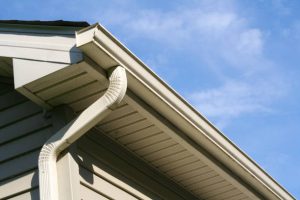
Natural disasters can strike without warning, but taking proactive measures to safeguard your home can make a world of difference. From hurricanes to earthquakes, each disaster presents unique challenges, but with the right preparations, you can protect your property and loved ones.
Why Disaster Preparedness Matters
Every year, millions of people face the devastating effects of natural disasters. While you can’t control nature, you can take steps to minimize its impact on your home and family.
Key Benefits of Being Prepared:
- Protect Lives: Your safety and that of your family is the top priority.
- Reduce Property Damage: Proper precautions can minimize structural damage.
- Save Money: Investing in preventive measures can save you from costly repairs later.
Step 1: Identify the Risks in Your Area
Not all natural disasters affect every region equally. Start by understanding the most common risks in your location.
1. Hurricane-Prone Areas
If you live along coastlines, hurricanes or typhoons may pose a significant threat. Key concerns include wind damage and flooding.
2. Earthquake Zones
Regions along fault lines face earthquake risks, which can cause structural collapses and landslides.
3. Tornado Alley
Tornado-prone areas often experience extreme winds that can destroy homes in seconds.
4. Flood Zones
Homes near rivers, lakes, or in low-lying areas are at risk of flooding due to heavy rain or storm surges.
Pro Tip: Use online tools like FEMA’s Flood Map Service to assess your property’s risk levels.
Step 2: Strengthen Your Home’s Structure
A strong, resilient home is your first line of defense against natural disasters. Here’s how to fortify your property:
1. Reinforce Doors and Windows
Install impact-resistant windows or storm shutters for hurricane-prone areas.
Use reinforced doors and secure them with heavy-duty locks.
2. Strengthen the Roof
Use hurricane straps to anchor the roof to the walls.
Choose weather-resistant roofing materials like metal or asphalt shingles.
3. Secure Foundations
In flood-prone areas, elevate the foundation above potential water levels.
Ensure the foundation is free of cracks and properly reinforced in earthquake zones.
Step 3: Create a Disaster Supply Kit
Being prepared isn’t just about your homeit’s about having the essentials for survival. Assemble a disaster supply kit with these must-haves:
Water: At least one gallon per person per day for three days.
Non-Perishable Food: Enough for at least three days.
First Aid Kit: Include bandages, medications, and antiseptic.
Emergency Tools: Flashlights, batteries, a multi-tool, and a manual can opener.
Important Documents: Store copies of insurance policies, IDs, and medical records in a waterproof container.
Pro Tip: Customize your kit to include items specific to your family’s needs, such as baby supplies or pet food.
In the beginning, we tackled risk assessment, structural reinforcements, and disaster supply kits. Now, let’s dive deeper into proactive measures that ensure your home and family are ready to face natural disasters head-on.
Step 4: Develop a Family Evacuation Plan
Having an evacuation plan in place can save precious time and lives during an emergency. Here’s how to create an effective plan:
1. Identify Safe Routes and Destinations
Map out primary and secondary escape routes from your home.
Research local emergency shelters and know their locations.
Designate a family meeting spot outside the danger zone in case you’re separated.
2. Practice Evacuation Drills
Conduct regular family drills to ensure everyone knows the plan by heart.
Teach kids how to respond to alarms or warnings, and practice with pets if necessary.
Pro Tip: Keep your car’s gas tank at least half full during disaster seasons to ensure you can evacuate quickly if needed.
Step 5: Invest in Additional Home Modifications
Beyond basic reinforcements, consider these advanced upgrades to further protect your home:
1. Install a Backup Power Source
A generator or solar power system ensures you have electricity for essential devices during outages.
2. Secure Heavy Furniture and Appliances
Use straps or brackets to anchor heavy items like bookshelves and water heaters to walls, especially in earthquake zones.
3. Seal and Insulate Openings
Weatherproof doors and windows to prevent water intrusion during storms or floods.
Use caulking or sealing kits to protect against drafts and leaks.
Pro Tip: For flood-prone areas, install backflow valves to prevent sewage from backing up into your home.
Step 6: Stay Informed and Alert
Knowledge is your best defense. Stay updated on potential disasters with these tips:
1. Sign Up for Alerts
Subscribe to local government or emergency services for weather alerts and evacuation notices.
Use apps or services like FEMA or NOAA for real-time updates.
2. Know Warning Signs
Learn to recognize natural disaster warning signs, such as sudden changes in weather or unusual animal behavior.
3. Have a Communication Plan
Designate an out-of-town family contact to relay information during disasters.
Ensure all family members have access to emergency numbers and know how to use them.
We’ve established how to prepare your home structurally and create effective plans. Now, let’s delve into protecting your most valuable belongings, ensuring a smoother recovery process, and staying proactive even when there’s no immediate threat.
Step 7: Protect Your Valuables and Documents
Safeguarding important items ensures you’re ready to rebuild and recover after a disaster.
1. Use Fireproof and Waterproof Safes
Store vital documents like passports, birth certificates, insurance policies, and property deeds in a fireproof and waterproof safe. Digital backups are also essential.
2. Catalog Your Belongings
Create a detailed inventory of your valuables, including photos, receipts, and serial numbers. Store this inventory in the cloud or with a trusted contact for easy access.
3. Secure Sentimental Items
For irreplaceable keepsakes, use protective storage containers or digitize them, like scanning old photos or backing up videos.
Pro Tip: Consider insuring high-value items like jewelry, electronics, and art under a separate insurance policy.
Step 8: Plan for Recovery and Insurance
The recovery process can be overwhelming, but preparation can make it more manageable.
1. Review Your Insurance Policy
Ensure your policy covers the specific risks in your area, like floods, earthquakes, or hurricanes.
Understand the claim process and the necessary documentation.
2. Create a Post-Disaster Plan
Identify contractors or restoration services in advance to avoid delays during recovery.
Set aside emergency funds to cover immediate repairs or temporary housing.
3. Know Community Resources
Research local disaster relief programs and support organizations.
Familiarize yourself with shelters, distribution centers, and emergency hotlines in your area.
Step 9: Stay Proactive Year-Round
Disaster preparedness isn’t a one-time taskit’s an ongoing commitment. Here’s how to stay ready:
1. Perform Regular Maintenance
Inspect and maintain your home’s roof, gutters, and foundation to prevent vulnerabilities.
Test smoke detectors, carbon monoxide detectors, and backup power systems regularly.
2. Keep Emergency Supplies Updated
Replace expired items in your disaster kit, like food, water, and batteries.
Adapt your kit to match seasonal needs, such as blankets in winter or mosquito repellents in summer.
3. Stay Informed on Changes
Monitor updates on your area’s risk levels, such as new flood maps or building code revisions.
Attend community workshops or events focused on disaster preparedness.
In Parts 1 through 3, we’ve covered preparation essentials, from fortifying your home to planning for recovery. Now, let’s explore advanced safety tips, tools for staying connected, and a comprehensive checklist to finalize your disaster-readiness plan.
Step 10: Utilize Advanced Safety Tools and Technology
Modern technology can play a significant role in safeguarding your home and keeping your family informed during emergencies.
1. Install Smart Home Devices
Smart Thermostats and Sensors: Detect sudden changes in temperature or humidity that could indicate risks like fire or flooding.
Emergency Alerts: Use smart speakers or connected devices to receive real-time weather warnings.
2. Use Emergency Communication Apps
Apps like Zello, GroupMe, and Life360 keep you connected with loved ones during disasters, even in areas with limited phone service.
3. Set Up Remote Monitoring
Surveillance cameras and smart security systems let you monitor your property, even if you have to evacuate.
Step 11: Build Community Connections
A strong support network is invaluable during natural disasters.
1. Join Local Groups
Participate in neighborhood or community disaster preparedness programs.
2. Coordinate Plans
Work with neighbors to share resources and create evacuation plans that account for everyone, especially vulnerable individuals.
Pro Tip: Keep a list of trusted neighbors or friends who can assist if needed.
Final Disaster Preparedness Checklist
Here’s a quick overview to ensure your home is fully prepared:
Home structure reinforced and weatherproofed? ?
Disaster supply kit stocked and up-to-date? ?
Family evacuation plan mapped and practiced? ?
Valuables and important documents secured? ?
Insurance coverage reviewed and adequate? ?
Emergency apps and communication plans in place? ?
Year-round maintenance routines established? ?
Final Thoughts: Be Ready, Stay Safe
Natural disasters are unpredictable, but preparedness can make all the difference. By implementing these measures and staying informed, you’ll be ready to protect your loved ones, your home, and your peace of mind.
Remember, preparation is a continual process. Make it a habit to revisit your plans, update your supplies, and adapt to new risks as they arise. With these steps in place, you’re not just disaster-readyyou’re disaster-resilient.