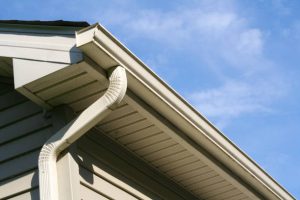
1. Why Gutter Maintenance is Essential for Your Home
Gutters play a crucial role in protecting your home from water damage. They direct rainwater away from your roof, foundation, and walls, preventing costly issues like leaks, erosion, mold growth, and basement flooding. When gutters become clogged with leaves, dirt, and debris, they can’t function properly, leading to water buildup that can cause significant structural damage over time.
Ignoring gutter maintenance can result in serious and expensive problems. Overflowing gutters can lead to rotting fascia boards, roof damage, and even foundation cracks. If left unchecked, clogged gutters can become breeding grounds for pests like mosquitoes, rodents, and birds, creating further complications for homeowners.
Regular cleaning and maintenance ensure that gutters remain free of obstructions and function as intended. Whether you’re a homeowner or a renter, understanding the importance of keeping your gutters clean can save you thousands of dollars in repairs down the road. The good news? With the right approach, gutter maintenance doesn’t have to be difficult or time-consuming.
Knowing when and how to clean your gutters properly helps maintain your home’s structural integrity while preventing future headaches. A few simple preventative measures can make the difference between a well-functioning drainage system and costly home repairs.
2. How Often Should You Clean Your Gutters?
The frequency of gutter cleaning depends on several factors, including your location, the number of trees near your home, and the weather conditions in your area. In general, gutters should be cleaned at least twice a yearonce in the spring and once in the fall.
Fall is the most critical time for gutter maintenance, as trees shed their leaves, which can quickly clog your gutters and downspouts. Spring cleaning is also necessary to clear out any debris that may have accumulated during winter storms.
If your home is surrounded by trees, especially those that shed heavily, you may need to clean your gutters every three months to prevent blockages. Homes in areas with frequent storms or heavy rainfall also require more frequent gutter inspections and maintenance.
In addition to scheduled cleanings, it’s important to check your gutters after severe weather events. Heavy rains, high winds, and snowstorms can fill gutters with debris, causing them to overflow or become damaged. A quick inspection after a storm ensures that water is draining properly and that your gutter system remains in good shape.
Sticking to a regular maintenance schedule prevents buildup, reduces the risk of costly damage, and ensures that gutters continue directing water safely away from your home.
3. Essential Tools and Equipment for Gutter Cleaning
Cleaning gutters doesn’t require expensive tools, but having the right equipment makes the job easier, safer, and more efficient.
A sturdy extension ladder is essential for reaching gutters safely. Always ensure that the ladder is placed on stable ground and, if possible, use a ladder stabilizer to prevent damage to your gutters. Having someone nearby to hold the ladder adds an extra layer of safety.
Heavy-duty work gloves protect your hands from sharp debris, nails, and potential mold or bacteria buildup inside the gutters. Waterproof gloves are recommended for handling wet leaves and gunk that accumulate over time.
A gutter scoop or trowel helps remove packed-in debris quickly. Plastic scoops are ideal because they won’t scratch or damage metal gutters. A small garden shovel or even a repurposed kitchen spatula can work in a pinch.
For a more efficient cleanup, a garden hose with a spray nozzle or a gutter cleaning attachment can help flush out any remaining dirt and smaller debris after manual removal. If there’s stubborn buildup, a pressure washer or wet/dry vacuum with a gutter attachment can help clear clogged downspouts.
A bucket or tarp is useful for collecting debris instead of letting it fall onto your lawn or walkway. This makes cleanup easier and prevents extra work later.
Proper safety gear, such as goggles and non-slip shoes, ensures that you can clean your gutters safely and effectively. If you’re working near power lines, using a non-conductive fiberglass ladder is essential to avoid electrical hazards.
Having the right tools ensures that gutter cleaning is done efficiently, minimizing risk while keeping your gutters in top shape.
4. Step-by-Step Guide to Cleaning Your Gutters
Cleaning gutters can be a straightforward task when done correctly. Following a systematic approach ensures a thorough cleaning while keeping safety a top priority.
Start by securing your ladder on a stable, level surface. Use a ladder stabilizer or have someone hold the base to prevent shifting. Never lean too far to one sidemove the ladder as needed instead of overreaching.
Begin at the downspout end of the gutter and work your way toward the opposite side. Using a gutter scoop or gloved hands, remove leaves, twigs, dirt, and debris. Place the debris into a bucket or toss it onto a tarp below for easy disposal.
Once the bulk of the debris is removed, use a hose with a high-pressure nozzle to flush out any remaining dirt. Start at the end farthest from the downspout and work your way toward it. This helps push debris down and ensures that water flows smoothly.
If water doesn’t drain properly, check for downspout clogs. Use a plumber’s snake or a high-pressure hose attachment to clear any blockages. If necessary, remove the downspout and clean it separately before reattaching it.
Inspect gutters for signs of damage, such as rust, cracks, or loose brackets. Tighten any screws or fasteners and seal any small leaks with waterproof caulk or gutter sealant. If gutters are sagging, adding gutter hangers can help reinforce stability.
Once everything is clear and functioning properly, do a final check by running water through the entire system to ensure that it flows smoothly from the gutters into the downspouts and away from the foundation.
By following these steps, you ensure that your gutters remain clean and effective, protecting your home from potential water damage.
5. Preventative Measures to Reduce Gutter Clogs
While regular cleaning is essential, taking preventative steps helps reduce buildup and minimizes the need for frequent maintenance. Installing gutter guards is one of the best ways to keep debris out while allowing water to flow freely. Gutter guards come in various styles, including mesh screens, foam inserts, and surface-tension systems, each designed to prevent leaves and debris from entering the gutter.
Trimming trees around your home reduces the amount of fallen leaves and twigs that can clog your gutters. Keeping branches at least 10 feet away from the roof minimizes debris accumulation and prevents potential damage from falling limbs.
Positioning downspout extensions away from the foundation directs water further from your home, reducing erosion and basement flooding. Installing splash blocks or underground drainage pipes ensures that water is properly dispersed.
Regular roof inspections prevent excessive shingle granules from clogging gutters. As shingles deteriorate over time, small particles can build up and create blockages. Checking your roof and replacing worn shingles reduces this issue.
Checking and reinforcing gutter brackets prevents sagging, which can lead to improper water drainage. Securely attached gutters ensure that water flows smoothly and doesn’t accumulate in certain areas.
By taking these preventative measures, homeowners reduce the likelihood of gutter problems while extending the lifespan of their drainage system.
6. Seasonal Gutter Maintenance Tips to Keep Your System Flowing
Gutter maintenance is not a one-time task. Different seasons bring different challenges, requiring year-round attention to prevent costly damage. Adjusting your cleaning and maintenance routine based on the time of year ensures that your gutters remain clear and fully functional.
Spring is the time to clear out winter debris. Snow and ice can cause buildup in gutters, while early spring storms can bring leaves, dirt, and twigs. Inspect gutters for cracks or leaks caused by freezing temperatures and ensure downspouts direct water away from your home’s foundation.
Summer maintenance is all about preventative care. This is the best time to install gutter guards, reinforce weak brackets, and trim overhanging branches that could drop leaves into gutters in the fall. Summer storms can bring heavy rain, so checking for proper drainage is essential.
Fall is the most crucial season for gutter maintenance. Falling leaves and twigs quickly clog gutters, leading to overflowing water and potential roof damage. Cleaning your gutters at the start and end of fall prevents excessive buildup before winter arrives.
Winter brings its own set of challenges, particularly ice dams and snow buildup. When gutters are clogged, melting snow has nowhere to drain, refreezing into heavy ice dams that can damage the roof and gutters. Using heat cables or ensuring proper attic insulation reduces ice dam formation. Before the first snowfall, do a final check to make sure gutters are completely clear of debris.
Adapting your maintenance schedule based on the season ensures that your gutters remain clog-free, structurally sound, and ready to handle any weather conditions.
7. How to Identify Signs of Gutter Damage Before It’s Too Late
Recognizing the early signs of gutter problems prevents small issues from turning into major, expensive repairs. A quick visual inspection a few times a year helps catch problems before they escalate.
Overflowing water during rainstorms is a clear sign of clogged gutters. If you notice water spilling over the sides instead of flowing through the downspouts, debris is likely blocking the system. This can lead to foundation erosion and basement flooding if left unchecked.
Sagging gutters indicate structural problems. Over time, gutters can pull away from the house due to excess weight from debris or water. If sections appear uneven or detached, the brackets may need reinforcement or replacement.
Cracks, rust, and peeling paint are warning signs of deterioration. Even small cracks allow water to seep through, potentially causing damage to siding and fascia boards. If rust appears, it’s time to consider replacing old metal gutters with a rust-resistant material like aluminum or vinyl.
Pooling water around the foundation is a red flag that gutters aren’t directing water properly. This can lead to basement flooding, foundation cracks, and mold growth. Checking downspouts and ensuring they extend at least five feet away from the house helps prevent these issues.
Mold and mildew around gutters or the foundation indicate poor water drainage. Excess moisture encourages mold growth, which can spread to your home’s interior. If you see mold forming near the roofline, gutters are likely leaking or not draining properly.
By identifying and addressing these warning signs early, homeowners avoid costly water damage and structural issues, ensuring that their gutters remain in optimal condition.
8. DIY vs. Professional Gutter Cleaning: Which Is Right for You?
Deciding between DIY gutter cleaning and hiring professionals depends on several factors, including safety, time, and the complexity of the job.
DIY gutter cleaning is a good option for homeowners comfortable with climbing ladders and handling basic maintenance tasks. It saves money and allows homeowners to inspect their gutters firsthand. If the gutters are easily accessible and only moderately clogged, a simple cleaning can be completed in a few hours using a ladder, gloves, a gutter scoop, and a garden hose.
However, DIY cleaning comes with safety risks. Climbing ladders can be dangerous, especially on multi-story homes or sloped roofs. If you’re uncomfortable with heights or lack the proper equipment, hiring a professional is the safer choice.
Professional gutter cleaning ensures a thorough job with expert inspection. Professionals have the right tools, such as high-powered vacuums, pressure washers, and safety harnesses, allowing them to clean gutters efficiently and spot potential issues like leaks or weak spots. If your home has multiple stories, extensive tree coverage, or persistent clogs, professional services are worth considering.
While DIY cleaning saves money, hiring a professional once or twice a year ensures that gutters remain in peak condition while reducing the risk of injury.
9. How Much Does Gutter Maintenance and Repair Cost?
Understanding the cost of gutter maintenance and repairs helps homeowners budget for regular upkeep and avoid surprise expenses.
DIY gutter cleaning is the most cost-effective option, requiring only basic supplies like a ladder, gloves, a scoop, and a garden hose. These items typically cost $50$150, depending on the quality of the equipment.
Hiring a professional gutter cleaning service costs between $100$300 per visit, depending on the size of the home, the condition of the gutters, and the complexity of the job. Homes with multiple stories or severe clogs may fall on the higher end of this range.
Gutter guard installation reduces cleaning frequency and costs between $200$1,500, depending on the type of guard and the length of the gutters. While this is an upfront investment, it saves money on regular cleanings and prevents debris buildup.
Gutter repairs vary in price depending on the severity of the damage. Fixing minor leaks with sealant or patch kits costs $10$50, while replacing damaged brackets or sections of guttering can cost between $100$500. If the entire gutter system needs replacement, costs range from $1,000$5,000, depending on the material and home size.
Investing in routine maintenance and preventative measures saves homeowners thousands in potential roof, foundation, and siding repairs caused by neglected gutters.
10. Final Thoughts: Protecting Your Home with Proper Gutter Care
Maintaining clean and functional gutters is one of the most important steps in home maintenance, preventing costly damage and ensuring proper water drainage. Whether done through DIY methods or professional cleaning, keeping gutters free of debris protects roofs, foundations, and siding from water-related issues.
Establishing a seasonal cleaning schedule prevents buildup and reduces the risk of overflowing gutters. Installing gutter guards, trimming overhanging branches, and extending downspouts further enhances drainage efficiency while minimizing future maintenance.
Recognizing signs of gutter damage early helps prevent structural problems, mold growth, and costly repairs. If sagging, cracks, or leaks appear, addressing them immediately prevents further deterioration.
For homeowners comfortable with DIY cleaning, regular upkeep ensures that gutters remain clear and functional. For those with multi-story homes or safety concerns, hiring professionals guarantees thorough cleaning and expert inspections.
Investing in proper gutter maintenance now saves money in the long run, ensuring a dry, damage-free home for years to come. Taking small steps today prevents expensive and avoidable repairs, making gutter care an essential part of homeownership.