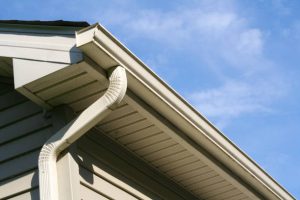
Understanding Ice Dams: Why They Form and What They Damage
Ice dams may look like a winter postcard scenerows of glistening icicles hanging from your roofbut they’re a red flag for hidden damage. Ice dams form when melting snow on your roof refreezes at the edge, usually just above the gutter line. This frozen ridge traps additional meltwater behind it, preventing it from draining properly. The water backs up under your shingles, leading to leaks, soggy insulation, warped drywall, and even mold.
The core issue isn’t always visible, which is why many homeowners don’t act until the damage is already inside the home. But the process starts with heat escaping from the attic, warming the roof’s upper surface while the lower edge stays cold. When the snow melts, it slides down and refreezes near the eaves, especially if your gutters are already filled with debris. The result? A slow-growing ice barrier that turns your roof into a ticking time bomb.
Preventing ice dams doesn’t require a full roof overhaul or expensive heating cablesthough those help. What it really takes is proactive, consistent gutter maintenance. By keeping your gutters clear, properly pitched, and free of obstructions, you create a smooth exit path for melting water before it has a chance to freeze again. Winter roof protection starts not at the peak, but at the edgewhere water meets gutter.
Clean Gutters Are Your First Line of Defense
If your gutters are full of leaves, pine needles, or sludge when the snow hits, you’re giving meltwater nowhere to go. Clogged gutters cause water to pool along the edge of your roof, increasing the likelihood that it will freeze, build up, and start the ice dam process. That’s why the best time to clean your gutters isn’t after the first snowstormit’s in late fall, before winter fully arrives.
Clearing your gutters of debris allows meltwater to flow freely into the downspouts and away from your home. If that water can’t drain, it will sit in your gutters and freeze, creating a foundation for even more ice to accumulate. And once that buildup starts, it’s much harder to stop. Even if your attic is well insulated and ventilated, a clogged gutter can still trigger an ice dam purely by blocking drainage.
Use a sturdy ladder and scoop out debris by hand or with a gutter cleaning tool, then flush the system with water to check for proper flow. Pay close attention to corners and joints where debris tends to collect. If you’re in a heavily wooded area, consider repeating this process after each significant leaf drop. It’s a small investment of time that pays off massively by keeping your home dry through the winter months.
Check the Slope and Pitch of Your Gutters
Even if your gutters are perfectly clean, they won’t prevent ice dams if they’re not sloped correctly. Gutters are designed to use gravity to move water toward the downspouts, and when that slope is compromiseddue to sagging, poor installation, or warpingthe water sits still. In freezing weather, standing water is a setup for ice formation.
Gutters should be pitched slightlytypically about 1/4 inch for every 10 feettoward the downspouts. That subtle angle ensures water flows consistently and doesn’t collect in low spots. Use a level or string line to check the slope along long runs. If you see any sections where water pools or if your gutters sag in the middle, it’s time to tighten or reposition the brackets.
Also, make sure your downspouts are securely attached and not partially blocked. Even a small backup at the downspout can cause water to pool in the gutter, increasing the risk of freezing. In colder climates, heat loss from the home may also prevent gutters from shedding snow as fast as they should, making slope even more crucial.
A properly sloped, debris-free gutter is your winter MVP. It moves meltwater quickly and efficientlybefore the cold can lock it in place.
Extend Downspouts to Carry Water Away from the Foundation
Ice dams don’t just cause problems on the roofthey also affect the ground below. When melting snow is improperly drained, it can refreeze near the base of your home, creating ice patches that are not only dangerous to walk on but also hazardous to your foundation. If water consistently spills out near your basement walls, it can lead to cracks, heaving, or leaks over time.
One of the easiest and most overlooked upgrades you can make is extending your downspouts. A standard downspout often discharges just inches from your foundation. That might be fine during summer showers, but during winter, the repeated freeze-thaw cycle around your house can wreak havoc on the soil and foundation materials.
Attach downspout extenders or flexible drain pipes to carry meltwater 4 to 6 feet away from your home. Even better, run them into a dry well or gravel bed for absorption. Make sure the path is clear of snow and ice throughout the season so the water has a place to go. This small change ensures that your gutter system isn’t just moving water off the roofbut keeping it away from the base of your home where it can refreeze and cause new problems.
Consider Gutter Guards for Year-Round Performance
Gutter guards are often thought of as a way to avoid the hassle of leaf removalbut they also play a big role in ice dam prevention. By keeping your gutters free of debris throughout the year, guards reduce the risk of blockages that lead to winter water backup. In cold climates, they also help prevent snow from packing into your gutters, allowing meltwater to flow more freely underneath.
There are several types of guards available: mesh, screen, surface-tension, and micro-mesh. For ice dam prevention, micro-mesh guards are particularly effective because they keep even fine debris out while still letting water in. They also provide a bit of a barrier that prevents snow from settling directly in the gutter channel.
Some advanced systems even integrate heated gutter guards, which use low-voltage cables to gently melt snow and ice along the edge of the roof. These are more expensive, but in regions with heavy snowfall and frequent freeze-thaw cycles, they’re a worthwhile investment that can stop ice dams before they begin.
Gutter guards won’t eliminate the need for maintenance completely, but they’ll drastically reduce the time and risk involved. More importantly, they’ll keep water movingand that’s the number one key to preventing ice buildup along your roof.
Inspect Attic Insulation and Roof Ventilation
While gutter maintenance is essential for preventing ice dams, the problem often starts inside your homespecifically, in the attic. If warm air escapes from your living space into the attic, it can heat the roof from underneath. That causes snow to melt unevenly, with water running down the roof and freezing again at the eaves where the roof is colder. This is the root cause of many ice dam issues, and no amount of gutter cleaning will solve it alone.
To stop this heat transfer, you need proper attic insulation and ventilation. First, make sure your attic floor is evenly insulatedideally to an R-value of R-38 or higher, depending on your climate. Gaps or thin spots in insulation allow warm air to rise and pool against the underside of your roof, accelerating snow melt. Sealing these areas not only prevents ice dams but also cuts your energy bills.
Next, check your ventilation. Attic ventssuch as soffit vents, ridge vents, or gable ventswork together to circulate cold air and keep your attic temperature closer to the outdoor air. This reduces the risk of snow melting in patches and forming dams at the edges. If your attic feels warm in the winter or shows signs of condensation, you likely need improved ventilation or sealing of warm-air leaks from below.
Gutter health is the first barrier against ice dams, but it works best when paired with a balanced attic environment. When your roof stays cold, and your gutters stay clear, snow melts gradually and evenly, flowing away without damage.
Remove Roof Snow Strategically During Storms
One of the most direct ways to prevent ice dams in winter is by physically removing snow from the roof before it has a chance to melt and refreeze. This is especially helpful after a heavy snowfall, when accumulated snow can quickly start the melt-freeze cycle. And while it might sound extreme, with the right tools and a bit of caution, snow removal can make a huge difference.
Start with a roof rakea long-handled tool with a flat, wide blade designed to pull snow off your roof without climbing up there. Focus on the first 34 feet of the roof edge, where ice dams are most likely to form. By clearing this zone, you reduce the amount of snow that can melt, slide down, and refreeze above the gutter line.
It’s important not to use metal tools or shovels directly on your roof, as they can damage shingles. Always work from the ground and never climb onto a snowy or icy roof, which poses a serious fall risk. If snow is already packed or beginning to melt, act quickly. The longer it sits, the more likely it is to refreeze at night and kickstart dam formation.
In areas with heavy snow, frequent light removal is better than letting it pile up. Combined with clear gutters and good attic ventilation, snow removal adds one more layer of protection to keep water moving safely off your roof.
Don’t Let Icicles Fool YouThey’re a Warning Sign
Many people admire icicles hanging from rooftops, especially during the holidays. But in reality, icicles are often a visual indicator of ice dam formation. When you see icicles forming along the gutter line, especially large ones or those accompanied by wet patches on the siding, you should assume that water is backing up under your shingles.
That’s because icicles form from melting snow that doesn’t drain properly. Instead of flowing through clear, sloped gutters, the water drips off the edge and freezes as it falls. And while the frozen drip is beautiful, it’s a sign that your drainage system is overwhelmed or obstructed.
If you see icicles, act immediately. Safely remove snow from the roof’s edge, clear out the gutters if possible, and double-check your attic insulation. You can also install heated cables along the eaves to melt existing dams and give water a path to escape. But be cautioustrying to knock icicles down manually can damage your gutters and cause injury.
In short, don’t ignore icicles. They’re not just a winter decoration; they’re your roof’s way of sounding the alarm. Treat them as a symptom of a drainage issue, and take action to address the underlying cause before the next thaw.
Professional Solutions for Persistent Ice Dams
If you’ve tried everythingcleaned your gutters, sealed your attic, removed snowand ice dams keep coming back, it may be time to bring in a professional. Ice dams can stem from complex combinations of roof design, insulation gaps, or poor drainage, and it often takes a trained eye to identify the real issue.
Professional roofing or insulation contractors can perform thermal imaging to detect heat leaks, pinpoint ventilation problems, or inspect your gutter system for subtle sagging or slope errors. Some even offer steam-based ice dam removal, which safely melts large ice blockages without damaging your shingles.
They may recommend permanent fixes like installing a membrane underlayment, which acts as a waterproof barrier beneath your shingles at the roof’s edge. This helps protect your home even if ice dams form. In severe climates, you might benefit from a full heat cable system or larger-capacity gutters designed to handle rapid meltwater flow.
When DIY efforts fall short, don’t wait until water stains appear on your ceiling. Investing in expert help now can save you from structural damage, mold remediation, and costly repairs later. Persistent ice dams aren’t just inconvenientthey’re a sign your home’s protective layers need fine-tuning.
Final Thoughts: Stay Ahead of the Freeze
Preventing ice dams is all about staying ahead of the freeze. It starts in the fall with clean gutters and continues through winter with watchful eyes on snow buildup, attic temperatures, and water flow. Your gutter system plays a pivotal rolenot just as a drain, but as the frontline in keeping meltwater from turning destructive.
By maintaining your gutters, checking slope, improving insulation, and taking a few preventative steps during snowstorms, you create a roofline that’s ready to face winter head-on. Ice dams don’t have to be an annual battle. With smart maintenance and a bit of foresight, you can enjoy the snow without dreading the damage.
So next time the snow starts to fall, look up at your guttersnot with concern, but with confidence. Because now you know how to stop problems before they start, and keep your home safe, dry, and worry-free all winter long.