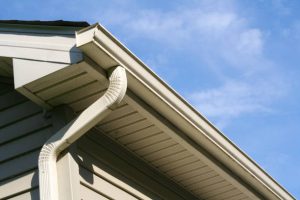
Understanding the Purpose of Gutters
When it comes to protecting your home from the elements, gutters are often underestimated. Many homeowners question whether gutters are truly necessaryespecially if their home seems to perform fine without them. But the reality is that gutters serve a crucial function in preserving the structural integrity of your home. Their primary role is simple yet powerful: redirecting rainwater away from your roof, walls, foundation, and landscaping. Without gutters, water from the roof flows directly downward, creating a cascade effect that can lead to erosion, mold, basement flooding, and even foundational damage over time.
In 2025, as climate unpredictability increases with more frequent heavy rains and extreme weather, gutters have become more than just a basic home featurethey’re a necessity. A well-designed gutter system keeps moisture away from vulnerable areas, ensuring your home stands the test of time without falling victim to slow but devastating water damage. And while certain homesespecially those in dry climatesmight function without visible problems in the short term, the long-term consequences of unmitigated water flow can be costly and irreversible.
So, are gutters necessary? If you’re serious about protecting your home’s structure, foundation, and value, the answer is yes. Gutters are not optionalthey’re a frontline defense system that quietly works to shield your investment from one of nature’s most persistent forces: water.
Protecting Your Foundation from Water Damage
Your home’s foundation is its most critical structural componentand one of the most vulnerable when it comes to uncontrolled rainwater. Without gutters to divert water away, rainfall flows directly off your roof and collects near the base of your home. Over time, this pooling water seeps into the soil, causing expansion and contraction that weakens the ground supporting your foundation. This leads to cracks, settling, and even structural failure if left unchecked.
Even minor foundation issues can cost thousands of dollars to repair, not to mention the secondary problems they causelike basement leaks, sticking doors, and uneven floors. The presence of gutters drastically reduces this risk by guiding water away from the home through downspouts and extensions. This simple redirection prevents soil saturation, erosion, and hydrostatic pressure, all of which compromise a stable foundation.
In wetter climates or areas with poor drainage, the absence of gutters almost guarantees future foundation problems. Gutters act as your home’s first line of defense against these hidden but powerful forces. If you’ve made any investment in your propertyfrom a finished basement to landscaping or outdoor living areasgutters ensure that your foundation remains strong and reliable year after year.
Preventing Basement Flooding and Moisture Issues
Basement flooding isn’t just a hassleit’s one of the most expensive and destructive problems a homeowner can face. It damages flooring, drywall, insulation, and stored belongings, while also creating an ideal environment for mold growth and musty odors. In nearly every case, the root of basement moisture problems begins outside the homewith poor water drainage. Gutters are the simplest and most effective way to control that.
When your roof sheds water directly onto the ground near your foundation, that water builds up and eventually pushes its way through small cracks or openings in your basement walls. Even if the leaks seem minor at firstperhaps just some dampness or a wet spot on the floorthey can worsen quickly, especially after repeated storms or snowmelt. Over time, this can lead to structural damage, electrical issues, and ongoing moisture problems that lower indoor air quality.
Gutters prevent this by channeling water safely away from your home’s perimeter. When paired with downspout extensions or underground drainage systems, they keep your basement dry and protected. Especially in homes built on slopes or low-lying lots, gutters are essential for preventing gravity-fed water from infiltrating lower levels. In short, if you want to avoid the financial and emotional stress of a flooded basement, gutters are not just helpfulthey’re essential.
Avoiding Soil Erosion and Landscaping Damage
Without gutters, water falling directly from your roof hits the ground with forceenough to displace soil, destroy plants, and create unsightly trenches around your home. This erosion doesn’t just affect the way your yard looks; it also compromises the health of your landscaping and the stability of the ground supporting your foundation. Over time, exposed roots, compacted soil, and uneven ground can lead to the decline of your lawn, gardens, and outdoor features.
Properly functioning gutters help prevent this by guiding rainwater to designated areas, such as splash blocks or drainage pipes that safely distribute water without disturbing your yard. This is especially important for homes with flowerbeds or mulch-lined borders along the foundation. In areas with heavy rainfall or sloped yards, even a single storm can undo weeks of landscaping work if water isn’t properly managed.
In 2025, homeowners are investing more than ever into outdoor spacesgardens, patios, walkways, and sustainable landscaping designs. Gutters are a necessary part of protecting that investment. Whether you’re growing vegetables, maintaining ornamental trees, or simply want a healthy, green lawn, gutters ensure your yard isn’t turned into a muddy mess every time it rains.
Preserving Your Home’s Exterior and Siding
Water flowing unchecked down the sides of your home can do more than just create stainsit can actively destroy your siding. Over time, continuous moisture exposure leads to paint peeling, wood rot, mildew, and even interior leaks. This kind of water damage devalues your home and results in costly repairs or premature replacement of siding materials. Whether your house has vinyl, brick, stucco, or wood siding, none are immune to the effects of poor water drainage.
Gutters act like a shield, catching runoff and channeling it away before it has a chance to cause harm. Without them, the splashback from heavy rain will batter your siding and windows, degrading sealants and increasing the likelihood of mold and algae growth. Water can also seep into the wall assembly behind the siding, creating hidden issues that may not become visible until significant damage has already occurred.
In addition to protection, gutters also contribute to the clean, finished look of your home’s exterior. Seamless gutters, available in various colors and finishes, can enhance curb appeal while offering essential functionality. If you’re investing in repainting, re-siding, or simply maintaining your home’s appearance, gutters are a key component in ensuring that those efforts last.
Extending the Life of Your Roof and Fascia
Rain gutters don’t just protect your home’s foundationthey play a direct role in extending the lifespan of your roof and fascia boards. When gutters are absent, or when they’re clogged and overflowing, water doesn’t flow where it should. Instead, it backs up onto the roofline, seeping under shingles and saturating the wooden fascia boards that support your roof’s edge. Over time, this causes rot, mold, and weakening of the roof structure itself, which can lead to leaks and expensive repairs.
Fascia boards, typically made of wood or composite materials, are especially vulnerable to water damage. Once compromised, they lose their ability to support the weight of gutters, leading to sagging, detachment, and more water-related issues. Gutters in good working condition prevent this by catching rainwater at the roofline and moving it away quickly and efficiently. When paired with drip edges and proper flashing, gutters create a complete barrier system that keeps your roof dry and intact.
In 2025, with homeowners investing more in energy-efficient roofs, solar panel installations, and attic ventilation systems, it becomes even more important to protect the edge of the roof. Water intrusion in these areas can compromise everything from insulation to electrical wiring. By maintaining a solid gutter system, you’re preserving the entire roofing investmentprolonging its life, preventing rot, and saving on long-term maintenance.
Reducing Maintenance and Long-Term Repair Costs
Some homeowners assume that skipping gutters will save them moneybut in reality, the absence of gutters often leads to greater expenses over time. Without gutters, you’re not eliminating maintenanceyou’re inviting costly repairs. Soil erosion, foundation cracks, damaged siding, basement leaks, and roof rot are all preventable with a properly installed and maintained gutter system. When you compare the cost of installing gutters (and cleaning them a couple of times a year) to the cost of repairing foundation damage or replacing siding, it’s clear which is the smarter investment.
Modern gutter systems in 2025 are designed to reduce long-term upkeep. Seamless aluminum, zinc, and copper gutters resist rust and weather damage, while gutter guards keep debris out, reducing cleaning needs and the risk of clogs. These innovations help homeowners avoid the problems of the pastlike frequent blockages and messy overflowand instead enjoy peace of mind with a system that works quietly in the background.
The key is being proactive. A simple seasonal inspection can prevent big issues. Check for loose hangers, sagging sections, or downspouts that have shifted. With proper care, your gutters won’t just lastthey’ll save you thousands of dollars in repairs over the lifespan of your home.
Enhancing Curb Appeal and Home Value
Beyond protection, gutters can actually boost the visual appeal of your homeespecially in 2025, when aesthetic design and curb appeal are more valued than ever. Modern gutter systems come in a wide range of materials, colors, and profiles to match any architectural style. Whether it’s sleek, seamless aluminum in a matte black finish, or classic half-round copper gutters that patina beautifully over time, today’s gutters can enhance your home’s exterior instead of detracting from it.
Homebuyers notice the presenceor absenceof functional gutters. A well-maintained gutter system signals that a home has been cared for properly, which can be a major selling point. On the other hand, missing or damaged gutters are a red flag that the home may have underlying water issues or neglect. As buyers become more informed and climate-conscious, the demand for homes with durable, low-maintenance exterior systems has increased.
If you’re planning to sell your home in the near future, investing in a high-quality gutter system is one of the simplest ways to add value. Even if you’re not selling, there’s satisfaction in knowing that your home not only looks sharp but is also well-guarded against the elements.
The Verdict: Yes, Gutters Are Absolutely Necessary
So, are gutters necessary for your home? The answer is a definitive yes. Gutters may seem like a simple addition, but they play a complex, multi-layered role in protecting your home from water damage. From shielding your foundation to preserving your landscaping, from preventing roof rot to enhancing resale value, gutters are not a luxurythey are a necessity. Without them, your home is vulnerable to a variety of costly and preventable problems that can arise after just a few rainy seasons.
In 2025, the case for installing and maintaining gutters is stronger than ever. Climate change has made rainfall patterns more intense and unpredictable. Homes are being built closer together, with less natural drainage space. And homeowners are more interested in sustainability, curb appeal, and long-term investments than quick fixes. All of these factors make a durable, efficient gutter system not just a wise decisionbut an essential one.
If your home doesn’t currently have guttersor if your existing system is outdated, leaking, or underperformingnow is the time to upgrade. With modern materials, customizable styles, and smart add-ons like gutter guards and rain chains, there’s a solution for every type of home and every kind of weather. Investing in the right gutters now means avoiding bigger problems later. And when it comes to your home, that kind of protection is priceless.