Many homeowners don’t think about their roof until a leak appears, shingles go missing, or interior damage begins to show. By that point, repairs are often expensive and sometimes unavoidable. The good news? Most major roof problems can be prevented with one simple habit: regular roof inspections.
Taking the time to inspect your roof even just twice a year can help you catch small issues before they turn into big, costly problems. From cracked shingles and clogged gutters to hidden leaks in the attic, early detection can save you thousands in repairs and extend the life of your roof by years.
In this step-by-step guide, we’ll walk you through how to safely and effectively inspect your roof, what signs to look for, what tools you’ll need, and when it’s time to call in a professional. Let’s make sure your roof stays strong, secure, and ready for any season.
Why Regular Roof Inspections Matter
Your roof quietly takes a beating every day enduring sun, wind, rain, snow, hail, and more. Over time, even the most durable materials begin to wear down. But unlike a dripping faucet or a broken light fixture, roof issues often go unnoticed until they’ve already caused significant damage. That’s why regular roof inspections aren’t just helpful, they’re essential.
The biggest advantage of consistent inspections is early detection. Small problems like a cracked shingle, minor flashing separation, or clogged gutters might not seem urgent, but if left unaddressed, they can lead to leaks, structural rot, mold growth, and insulation damage. A quick seasonal check can catch these issues early, saving you from a massive repair bill down the line.
Inspections are especially important in areas with harsh seasonal shifts. Cold climates may cause ice dams, snow buildup, or freeze-thaw cycles that damage materials. Hot climates can lead to sun damage, warping, and dried-out sealants. Heavy rainfall or wind can dislodge shingles or damage flashing. Each season brings its own stress to your roof, which is why biennial inspections spring and fall are recommended.
Routine checks also help preserve your roof warranty. Most manufacturer warranties require homeowners to properly maintain their roof, and regular documentation of inspections can prove you’ve upheld your end of the agreement. If a defect arises, your maintenance record could be the difference between a covered claim and an out-of-pocket expense.
Plus, regular inspections can boost your home’s value. Whether you’re preparing to sell or just keeping your investment strong, a well-maintained roof signals to buyers (and inspectors) that the home has been taken care of. It also helps avoid surprise issues during a sale that could derail negotiations or result in price drops.
And don’t forget about insurance. If a storm hits and you need to file a claim, having a clear record of roof condition before the event can make the claims process faster and more successful.
In short, regular roof inspections are a low-cost habit with high-value returns. A few minutes of attention now could prevent thousands in future damage and give you peace of mind that your home is protected from the top down.
Tools You’ll Need for a Safe & Effective Roof Inspection
Before climbing up or even walking around your house, it’s important to gather the right tools for a thorough and safe roof inspection. Whether you’re doing a ground-level check or going into your attic, having the proper gear can help you spot potential issues more easily and avoid unnecessary risks.
Here’s a list of essential tools and items you should have on hand before starting your inspection:
? Basic Safety Gear
Sturdy Ladder: Choose one that’s tall enough to reach the edge of your roof without overextending. Always place it on level ground and have someone hold it if possible.
Roofing Shoes or Boots: Wear shoes with good traction to prevent slips if you need to get on the roof (only if safe and necessary).
Safety Harness (if climbing): For steep or high roofs, a roof safety harness with an anchor point is a must.
Gloves: Protect your hands from sharp edges, debris, or nails while inspecting or clearing gutters.
? Inspection Tools
Binoculars: Ideal for spotting damage from the groundespecially useful for steep or second-story roofs.
Flashlight: For attic inspections, a bright flashlight helps reveal dark corners and hidden water stains.
Camera or Smartphone: Take photos of any issues for documentation, tracking changes over time, or sharing with a roofing contractor.
Roof Inspection Checklist: Keep a printed or digital checklist to track what you’ve looked at and what needs attention.
? Optional but Useful
Moisture Meter: Helps detect hidden moisture in your attic or ceiling that might not be visible.
Tape Measure: Useful for noting the size of any damaged areas for future repair planning.
Tarp or plastic sheet: If you discover an active leak, you can temporarily cover the area until it’s repaired.
Important Safety Tips:
Avoid walking on the roof unless absolutely necessary and only if the surface is dry and stable.
Never inspect your roof during bad weather or immediately after a storm.
If you’re unsure about the roof’s condition or slope, it’s safer to inspect from the ground or call a professional.
Having the right tools doesn’t just make your inspection more efficientit also keeps you safer and better prepared to spot small problems before they become major repairs.
What to Look for During an Exterior Roof Inspection
Once you’re equipped and ready, it’s time to focus on what really matters: spotting issues before they turn into costly repairs. A thorough exterior inspection can reveal early warning signs of wear, water damage, or structural failureeven if you don’t climb onto the roof.
Here’s a step-by-step guide to what you should be looking for during an exterior roof inspection:
- Shingles or Roofing Material Damage
Start by scanning the entire roof for any missing, cracked, curling, or blistering shingles. These are signs of aging and can expose the underlayment to moisture. In the case of metal, tile, or other roofing types, look for cracks, dents, rust spots, or loose panels.
Also, check for shingle granules in gutters or downspouts. Excessive granule loss means the protective layer on asphalt shingles is breaking down, which typically signals the end of their useful life. - Flashing Issues
Flashing is the metal or rubber sealant installed around roof features like chimneys, skylights, dormers, and vents. If it’s rusted, cracked, or peeling away, water can easily seep into your home. Also look for dried or missing sealant at connection points. - Sagging or Uneven Rooflines
Step back and view your roof from across the street or at a distance. A dip or sag in the roofline may indicate structural problems like rotted decking or damaged rafters. This is a serious red flag and should be addressed by a professional immediately. - Moss, Algae, or Mold Growth
Green patches or dark streaks often indicate trapped moisture. Moss and algae can lift shingles, allowing water to penetrate underneath. These should be cleaned off carefully, and the source of the moisture buildup should be identified. - Debris and Water Pooling
Leaves, twigs, or standing water can clog gutters or cause roof deck damage over time. Debris often accumulates in valleys and flat spots, places especially prone to leaks. - Gutter and Downspout Condition
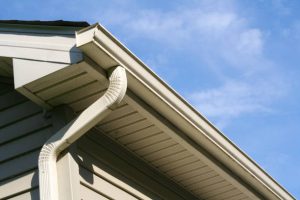
Gutters should be securely fastened and free of blockages. Look for sagging sections, visible rust, or water stains along siding; these may suggest that water isn’t draining properly, which could back up under shingles. - Roof Edges and Eaves
Inspect these areas for signs of rot, paint peeling, or water stains. Soffits and fascia boards are highly vulnerable to water intrusion and should be in solid, dry condition.
By completing a detailed visual scan of your roof’s exterior, you can catch early signs of damage and prevent them from escalating into more expensive repairs. Make notes of anything unusual, and don’t hesitate to consult a pro if something looks off.
What to Check During the Interior (Attic) Inspection
While the outside of your roof takes the weather head-on, the real damage often shows up first inside your home especially in the attic. Inspecting the interior can reveal hidden leaks, ventilation issues, or structural damage that isn’t yet visible from the outside. A quick walkthrough with a flashlight can uncover problems before they spread to your ceilings, walls, and insulation.
Here’s what to check during your attic inspection:
? Water Stains or Discoloration
Look for brown or yellow stains on wood beams, ceilings, or walls
These usually indicate past or current leaks
Pay special attention after storms or snow melts
? Light Coming Through the Roof
Turn off all attic lights and look for sunlight peeking through cracks or gaps
Even small holes can allow water and pests inside
Check around vents, chimneys, and roof valleys
? Mold or Mildew Odors
A musty smell may be your first clue that moisture is trapped in your attic
Mold thrives in damp, dark placesoften before visible stains appear
This could mean poor ventilation or an undiscovered leak
? Damp or Compressed Insulation
Insulation should be dry and fluffynot wet, clumped, or flat
Wet insulation loses its effectiveness and can lead to higher energy bills
Check around roof edges and above bathrooms or kitchens where vents exit the roof
? Warped or Rotted Wood
Inspect roof decking and support beams for signs of soft spots, rot, or discoloration
These may indicate long-term water exposure
Tap with a screwdriverwood should feel solid, not spongy
? Rust on Metal Components
Metal fasteners, brackets, or ductwork in the attic shouldn’t show signs of corrosion
Rust can point to excessive moisture levels and poor ventilation
? Ventilation Blockages
Check intake and exhaust vents for dust buildup, insulation blocking airflow, or nesting animals
Proper ventilation helps prevent condensation and heat buildup, extending the life of your roof
An attic inspection might not be glamorous, but it’s one of the most effective ways to detect roof problems early. Bring a camera or notepad, document what you find, and make it part of your regular home maintenance routine. When in doubt, a roofing specialist can confirm whether your attic is showing early signs of trouble.
When to Call a Professional (And What to Expect)
While DIY roof inspections are a great way to stay ahead of potential issues, there are times when it’s smarter and safer to bring in a professional. Some roof problems hide in plain sight, and unless you know exactly what to look for, you might miss subtle red flags that could cost you thousands later.
So, when should you call in a pro?
?? Call a roofing professional if you notice:
Sagging rooflines or visible dips
Multiple missing or damaged shingles
Recurring leaks in the same area
Interior water damage or persistent mold smells
Daylight visible through attic boards
Flashing pulling away from chimneys, vents, or skylights
Damage after a major storm, hail, or wind event
A licensed roofer will perform a comprehensive inspection, usually covering:
Shingle and material condition
Structural integrity and roof deck stability
Flashing, gutters, and drainage system functionality
Attic ventilation and insulation
Moisture intrusion, soft spots, or mold presence
Professional inspections often include detailed reports, photos, and repair estimates. These are incredibly useful not just for planning repairs but also for insurance claims or warranty validation.
Speaking of insurance if you’re filing a claim after a storm, it’s a smart move to get an inspection before the adjuster shows up. This ensures you’re fully informed and can advocate for coverage if something is missed.
Most inspections cost between $100 and $300, though some roofing companies offer them for free as part of a service estimate. That small investment can catch big problems early, giving you peace of mind and saving you from expensive surprises.
Remember: a professional roofer has the training, tools, and safety gear to detect what a casual inspection might miss. If you’re unsure about the condition of your roof or just want an expert opinion, calling in a pro is always a wise choice especially before the next storm hits.
Summing It Up: Stay Proactive, Stay Protected
Your roof is your home’s first line of defense and regular inspections are the easiest, most affordable way to protect it. By taking the time to inspect both the exterior and interior twice a year (plus after major storms), you can catch small issues early, avoid costly surprises, and extend the life of your roof for years.
Whether you’re spotting cracked shingles from the ground, checking for light in the attic, or calling in a pro for a deeper look, every inspection is a step toward saving money and preventing damage. And when you stay proactive, you’re not just protecting your roof you’re protecting your entire home.
So grab your checklist, set a reminder on your calendar, and make roof inspections a regular habit. It’s a simple task that delivers powerful results, season after season.