Flat roofs are often a popular choice for modern architecture, offering a sleek, minimalist look and practical space for outdoor living. However, homeowners may eventually decide to convert their flat roofs to sloped ones for reasons such as improving drainage, enhancing aesthetic appeal, or increasing the roof’s longevity. Converting a flat roof to a pitched roof is a significant undertaking that requires careful planning, design, and consideration of various factors such as structural integrity, material choices, and local building codes.
In this blog, we’ll follow the journey of a homeowner who made the decision to convert their flat roof into a sloped one. We’ll explore the reasons behind the conversion, the steps involved in the process, the challenges faced, and the benefits of having a pitched roof.
By the end of this blog, you’ll have a better understanding of whether converting your roof is the right decision for your home.
Why Convert a Flat Roof to a Sloped Roof?
Flat roofs have long been a hallmark of modern and contemporary architectural styles, providing a clean, minimalist appearance and the option to create usable outdoor spaces, such as rooftop gardens or patios. However, despite these advantages, flat roofs come with several disadvantages that may lead homeowners to consider converting them to a pitched roof. In this section, we’ll explore the key reasons why someone might choose to make the transition from a flat roof to a sloped one.
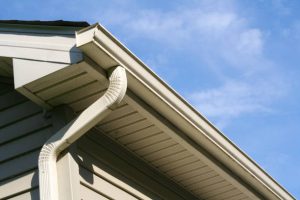
Drainage Issues with Flat Roofs: One of the most common issues with flat roofs is inadequate drainage. Unlike sloped roofs, flat roofs have little to no natural slope, which can result in water pooling on the surface. Over time, this stagnant water can lead to a variety of problems, including leaks, mold growth, and premature roof damage. Flat roofs typically require additional drainage systems, such as gutters, downspouts, and internal drains, to manage water flow effectively.
Even with these systems in place, flat roofs are more vulnerable to water accumulation during heavy rainfall or snowmelt. As water accumulates on the roof, it can eventually seep into the structure, leading to costly water damage inside the home. Converting a flat roof to a pitched one helps solve this problem by allowing water to flow off naturally, preventing pooling and reducing the risk of water damage.
Aesthetic Appeal: Flat roofs can sometimes appear stark or uninviting, especially if they’re not complemented by landscaping or other design elements. Homeowners looking to enhance the visual appeal of their homes may opt to convert a flat roof to a pitched roof to achieve a more traditional or timeless look. A sloped roof can add character and architectural style to a home, especially when paired with complementary design features such as dormer windows, chimneys, or gables.
In addition, sloped roofs allow for more flexibility in the design of the home’s exterior, offering opportunities for different roofing materials and aesthetic choices. A pitched roof can also make a building look more cohesive with its surroundings, particularly in neighborhoods where sloped roofs are the norm.
Increasing Home Value and Appeal: Converting a flat roof to a pitched one can significantly increase the resale value of a home. Pitched roofs are often viewed as more durable and aesthetically pleasing, which can attract potential buyers. Moreover, the conversion can provide additional functional benefits, such as more attic space, better insulation, and improved energy efficiency, making the home more desirable.
Structural Integrity and Longevity: Flat roofs are typically constructed with materials that may not withstand the elements as well as those used for sloped roofs. Over time, flat roofs can be prone to wear and tear due to the accumulation of snow, ice, and water. This can reduce their lifespan and lead to the need for frequent repairs.
By converting to a pitched roof, homeowners can increase the structural integrity of their roof. Sloped roofs are designed to handle the weight of snow and water more efficiently, reducing the risk of leaks and premature damage. The longevity of a pitched roof is also often superior to that of a flat roof, meaning fewer repairs and replacements in the long run.
The Process of Converting a Flat Roof to a Pitched Roof
Converting a flat roof to a sloped roof is a major home improvement project that requires careful planning and execution. The process involves structural changes, material selection, and often, compliance with local building codes. In this section, we’ll walk you through the steps involved in the conversion process, highlighting the key considerations and tasks to keep in mind.
Assessing the Structural Feasibility: Before beginning the conversion, it’s essential to assess whether the existing structure can support the additional weight of a pitched roof. Flat roofs are typically built with different load-bearing capacities than sloped roofs, and the conversion may require reinforcing the existing framework. Consulting with a structural engineer is crucial at this stage to ensure that the building can handle the changes.
The engineer will evaluate factors such as the current load-bearing walls, the roof deck, and the foundation to determine what modifications are needed to accommodate the new roof design. This may involve strengthening beams, adding trusses, or reinforcing the existing walls.
Choosing the Roof Pitch and Design: Once the structural feasibility is established, the next step is to decide on the pitch and design of the sloped roof. The pitch refers to the angle at which the roof slopes, and it plays a significant role in how well the roof sheds water and snow. In areas with heavy snowfall, a steeper pitch is often recommended to allow for proper drainage.
The design of the roof also plays a critical role in its functionality and appearance. Homeowners can choose from a variety of roof styles, including gable, hip, or shed roofs. Each design offers different benefits and aesthetic appeal. For example, a gable roof provides a classic look with two sloping sides, while a hip roof offers four slopes, making it more stable in high-wind areas.
Permits and Building Codes: Before starting construction, it’s important to check with local building authorities to ensure compliance with building codes and zoning regulations. Many municipalities require permits for roof alterations, particularly for structural changes like converting a flat roof to a pitched one. The conversion must meet specific standards regarding height, materials, and load-bearing capacity.
Obtaining the necessary permits ensures that the work is legally approved and completed safely. In some cases, the local government may even provide guidelines on the types of roofing materials that can be used or restrictions on the overall design of the roof.
Roof Framing and Installation: Once permits are in place, the framing and installation of the pitched roof begin. This process involves removing the existing flat roof and installing the new roof trusses or rafters to support the sloped design. The installation of trusses is a critical step, as they provide the framework for the roof and distribute the weight evenly across the structure.
After the trusses are installed, the roof deck (usually plywood or OSB) is applied, followed by the underlayment and chosen roofing material, such as shingles, metal, or tile. Proper installation is essential to ensure that the roof is durable, waterproof, and able to handle the stresses of snow, rain, and wind.
The Costs of Converting a Flat Roof to a Pitched Roof
Converting a flat roof to a sloped one can be a costly project, depending on the size of the home, the complexity of the design, and the materials chosen. In this section, we’ll explore the factors that contribute to the cost of the conversion and provide a breakdown of the typical expenses involved.
Structural Reinforcements: One of the biggest costs associated with converting a flat roof to a pitched roof is the structural reinforcement needed to support the new design. This may involve adding new trusses, reinforcing load-bearing walls, or installing additional support beams. Structural modifications can cost anywhere from $5,000 to $15,000, depending on the extent of the work required.
Roofing Materials: The cost of roofing materials will depend on the type of roofing system chosen. For example:
- Asphalt Shingles: Asphalt shingles are one of the most affordable roofing options, with an average cost of $100 to $150 per square (100 square feet).
- Metal Roofing: Metal roofs are more expensive, with costs ranging from $300 to $700 per square, depending on the type of metal and the design.
- Slate and Tile Roofing: Slate and tile roofs are among the most expensive options, with costs ranging from $700 to $1,500 per square, including both materials and installation.
Labor Costs: Labor costs can vary depending on the complexity of the project, the location of the home, and the contractor’s rates. On average, labor for roofing projects can range from $100 to $250 per hour, with total labor costs for a full roof conversion running between $5,000 and $15,000.
Additional Costs: Other costs associated with converting a flat roof to a sloped roof may include:
- Permits and Inspections: Building permits and inspections can cost anywhere from $500 to $2,000, depending on local regulations.
- Gutter Systems: New gutters may need to be installed to handle the increased runoff from the sloped roof. Gutter installation costs typically range from $1,000 to $3,000.
- Roofing Accessories: The cost of accessories such as ventilation, flashing, and insulation can add another $500 to $2,000 to the total project cost.
In total, homeowners can expect to pay anywhere from $10,000 to $40,000 or more for a flat-to-pitched roof conversion, depending on the size of the home, materials, and labor requirements.
The Benefits of Converting to a Pitched Roof
While converting a flat roof to a pitched one involves a significant financial investment, the long-term benefits make it a worthwhile decision for many homeowners. In this section, we’ll explore the key advantages of making the conversion, from improved drainage to enhanced curb appeal.
Improved Drainage and Reduced Maintenance: One of the most immediate benefits of converting to a pitched roof is improved drainage. A sloped roof allows rain, snow, and debris to run off more efficiently, preventing water accumulation and reducing the risk of leaks and water damage. This also reduces the likelihood of issues like ice dams, which are common with flat roofs in cold climates.
Additionally, sloped roofs are generally easier to maintain, as they don’t accumulate debris or suffer from standing water. This means fewer repairs and less time spent on roof maintenance.
Increased Energy Efficiency: Pitched roofs often provide more attic space, which can be used for insulation. Better insulation helps keep the home warmer in the winter and cooler in the summer, reducing the need for heating and cooling. As a result, homeowners can save on energy bills over time. Proper insulation in the attic also helps prevent ice dams, which can occur when heat escapes from the home and melts snow on the roof.
Aesthetic Appeal and Home Value: Converting to a pitched roof enhances the aesthetic appeal of a home, giving it a more traditional or classic look. A sloped roof can make a home feel more inviting and balanced, which is especially important for homeowners who want to improve curb appeal. The conversion can also increase the home’s resale value. Many buyers prefer homes with pitched roofs, which are seen as more durable and attractive than flat roofs.
Long-Term Durability: Pitched roofs generally last longer than flat roofs, as they are less prone to the wear and tear caused by snow, ice, and water buildup. The materials used for pitched roofs, such as metal or tile, also tend to have a longer lifespan than those used for flat roofs. With proper maintenance, a pitched roof can last 50 years or more, making it a solid investment for homeowners looking to stay in their homes long-term.
Endnote: When Elevation Solved More Than Just Aesthetic Concerns
In conclusion, converting a flat roof to a pitched one offers numerous benefits, including improved drainage, enhanced energy efficiency, and increased curb appeal. While the conversion process requires careful planning and a significant financial investment, the long-term advantages such as reduced maintenance, increased home value, and a more durable roofing system make it a worthwhile decision for many homeowners.
Whether you’re looking to solve drainage problems, improve insulation, or simply upgrade the look of your home, a pitched roof conversion can provide lasting benefits and contribute to the overall comfort and security of your home.